Where Does Pueraria Mirifica Come From? From Thai Forest to Supplement
Pueraria mirifica is one of Thailand’s most recognized traditional herbs, widely known for its use in women’s wellness and phytoestrogen-rich supplement. As global demand for natural wellness products continues to grow, more consumers are becoming curious about where this unique plant actually comes from and how it transforms from a forest-grown root into a finished supplement. The journey of Pueraria mirifica involves more than harvesting a plant from the wild. Climate, soil conditions, cultivation practices, extraction methods, and manufacturing standards all influence the final quality of the product.
This article explores the origins of Pueraria mirifica, its traditional Thai background, how it is cultivated and processed, and what consumers should know when choosing a quality supplement.
What Is Pueraria Mirifica?
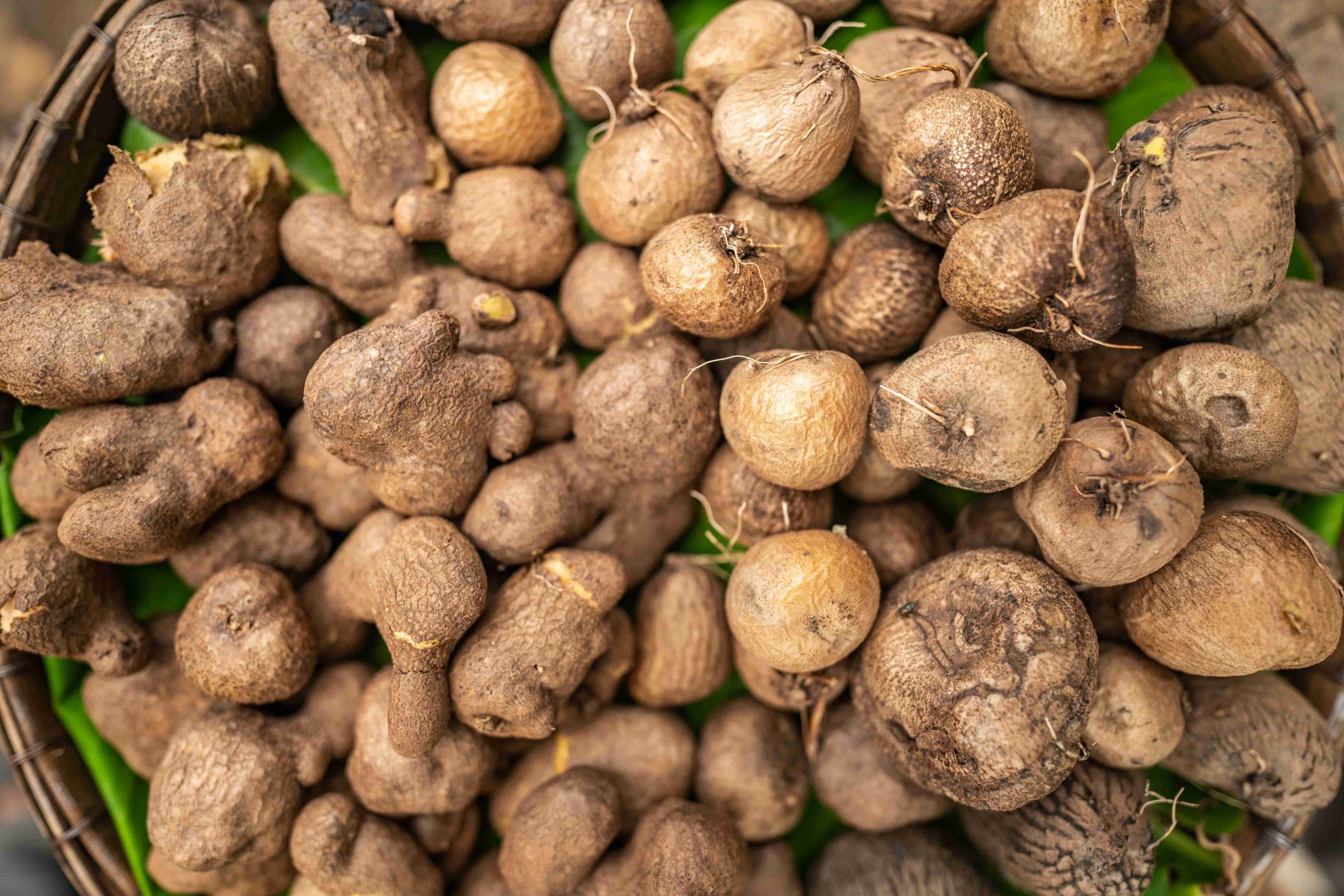
Pueraria mirifica is a tuberous plant native to Thailand and parts of Southeast Asia. It belongs to the legume family and grows underground as a large root system.
The plant is especially valued because of its naturally occurring phytoestrogens, including:
- Miroestrol
- Deoxymiroestrol
- Genistein
- Daidzein
- Isoflavones
These compounds are structurally similar to estrogen and have attracted scientific interest for their potential role in women’s wellness, healthy aging, and menopausal support.
Traditionally, Thai communities have used the root as part of herbal wellness practices for generations.
Native Origins in Thailand
Thailand is considered the primary native home of Pueraria mirifica. The plant naturally grows in forested mountainous regions with tropical climates, especially in northern and northeastern Thailand.
Common Growing Regions
Some areas historically associated with Pueraria mirifica cultivation and wild growth include:
- Chiang Mai
- Chiang Rai
- Mae Hong Son
- Loei
- Nakhon Ratchasima
These regions offer favorable environmental conditions such as:
- Warm temperatures
- Seasonal rainfall
- Mineral-rich soil
- Forest biodiversity
The growing environment may influence the concentration of active compounds found in the root.
Traditional Thai Herbal Use
For centuries, local communities in Thailand have used Pueraria mirifica in traditional wellness practices, particularly for women during aging and hormonal transitions.
Traditional applications historically included support for:
- Female vitality
- Skin appearance
- Comfort during menopause
- General rejuvenation
The herb became more widely recognized internationally during the twentieth century as researchers began studying its phytoestrogen compounds.
Today, Pueraria mirifica has become part of Thailand’s expanding herbal export industry.
Wild Harvesting vs Cultivated Farming
As global demand increased, the supply chain evolved from small-scale wild harvesting to more structured agricultural cultivation.
Wild Harvesting
Historically, many roots were collected directly from forest environments.
Potential advantages of wild-grown plants may include:
- Natural biodiversity exposure
- Traditional sourcing methods
- Mature root systems
However, uncontrolled wild harvesting can create sustainability concerns, including:
- Overharvesting
- Habitat disruption
- Inconsistent quality
- Difficulty verifying plant identity
Because of these concerns, many producers now rely on cultivation farms.
Cultivated Farming
Modern commercial production increasingly uses controlled cultivation systems.
Farm cultivation offers several advantages:
- Better quality control
- Improved traceability
- More consistent active compound levels
- Sustainable production practices
- Reduced pressure on wild plant populations
Cultivated farms may also implement selective breeding and harvesting schedules to improve extract consistency.
How Pueraria Mirifica Is Harvested
The root is the primary part used in supplements and herbal products.
Harvest Timing Matters
Pueraria mirifica is typically harvested after several years of growth because mature roots generally contain higher concentrations of active compounds.
Factors affecting root quality include:
- Plant age
- Soil conditions
- Climate
- Harvest season
- Post-harvest handling
After harvesting, the roots are cleaned, sliced, and dried before further processing.
From Raw Root to Herbal Extract
Turning raw Pueraria mirifica into a supplement involves multiple processing stages.
Step 1: Cleaning and Drying
Fresh roots contain moisture that must be removed carefully to preserve plant compounds.
Manufacturers often use controlled drying systems to reduce:
- Mold risk
- Microbial contamination
- Compound degradation
Step 2: Grinding
Once dried, the root is ground into powder.
This powder may be:
- Used directly in capsules
- Processed into concentrated extracts
- Added to topical formulations
Step 3: Extraction
Some manufacturers create standardized extracts to improve potency consistency.
Extraction methods may involve:
- Water extraction
- Ethanol extraction
- Combined extraction systems
The goal is to concentrate specific phytoestrogen compounds while maintaining product stability.
Step 4: Standardization
Higher-quality supplements often standardize active compounds such as isoflavones.
Standardization helps:
- Improve consistency between batches
- Support quality assurance
- Increase manufacturing reliability
Without standardization, potency can vary significantly from one product to another.
What Affects Supplement Quality?
Not all Pueraria mirifica supplements are equal. Several factors influence product quality and effectiveness.
Plant Source
The geographical origin of the plant can influence compound concentration.
Thai-grown Pueraria mirifica is often preferred because the herb is native to Thailand’s climate and ecosystem.
Manufacturing Standards
Reliable manufacturers typically follow GMP practices to support:
- Clean production
- Ingredient traceability
- Safety testing
- Batch consistency
Third-Party Testing
Independent laboratory testing may help verify:
- Ingredient identity
- Purity
- Heavy metal screening
- Microbial safety
This is especially important for herbal supplements sourced internationally.
Standardized Active Compounds
Products standardized for key phytoestrogens generally provide more predictable consistency.
Consumers should look for clear labeling regarding:
- Extract ratio
- Dosage
- Standardization percentage
- Ingredient sourcing
Sustainability and Ethical Sourcing
As interest in herbal wellness products grows, sustainability has become increasingly important.
Responsible sourcing practices may include:
- Controlled cultivation
- Reduced wild harvesting
- Ethical farming partnerships
- Biodiversity protection
- Sustainable harvesting cycles
Companies that invest in sustainable agriculture help support both environmental conservation and long-term ingredient availability.
Pueraria Mirifica in Modern Supplements
Today, Pueraria mirifica appears in various wellness products including:
- Capsules
- Tablets
- Powders
- Functional beverages
- Creams and serums
- Herbal blends
Many formulations target women’s wellness categories such as:
- Menopausal support
- Healthy aging
- Skin wellness
- Hormonal balance support
The popularity of botanical wellness products has helped expand global interest in Thai herbal ingredients.
Final Thoughts
Pueraria mirifica has a long journey from Thailand’s forest regions to modern wellness supplements. Its origins in traditional Thai herbal practices, combined with growing scientific interest in phytoestrogens, have made it one of the most recognized botanical ingredients in women’s wellness.
Understanding where Pueraria mirifica comes from can help consumers make more informed choices about quality, sourcing, and manufacturing standards.
As demand continues to rise, sustainable cultivation, ethical sourcing, and transparent manufacturing will remain essential for preserving both the plant and consumer trust.
FAQs
Pueraria mirifica naturally grows in Thailand and some parts of Southeast Asia, particularly in tropical forest regions.
Thailand’s climate and soil conditions are believed to support the growth of high-quality Pueraria mirifica with naturally occurring phytoestrogens.
Not necessarily. Cultivated Pueraria mirifica can offer better consistency, sustainability, and quality control compared to uncontrolled wild harvesting.
The root or tuber is the primary part used in supplements and herbal extracts.
A standardized extract contains measured levels of active compounds to help improve consistency between product batches.
Look for products with transparent labeling, third-party testing, GMP-certified manufacturing, and clearly identified sourcing information.