How to Choose a Sports Bra to Prevent Sagging Breasts
Posted in Breast Stories | By Yasmin S.
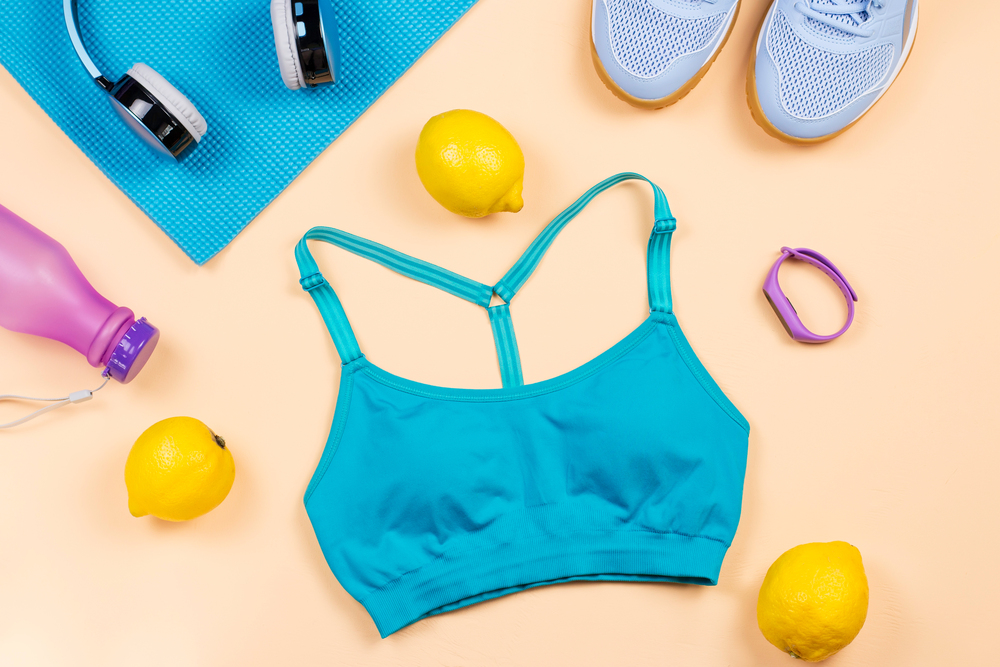
Breast sagging (medically known as breast ptosis) is a natural part of aging. However, exercising without proper support can accelerate this process. Choosing the right sports bra is essential to protect the delicate ligaments and skin that keep your breasts lifted and firm. Here is a guide to help you select the perfect sports bra to prevent sagging.
1. Understand Your Breast Size and Shape
Before buying a sports bra, get an accurate measurement of your band and cup size. A poorly fitted bra, whether too tight or too loose, cannot provide the support needed. Check that:
- The band is snug but not restrictive
- The cups fully encase your breasts without spilling over
- The straps sit comfortably on your shoulders without digging in
If your breasts are fuller, opt for sports bras designed specifically for large busts with extra structural support.
2. Choose the Right Level of Support
Sports bras come in three main support levels:
- Low-impact: Suitable for yoga, stretching, or Pilates
- Medium-impact: Ideal for brisk walking, weight training, or cycling
- High-impact: Necessary for running, HIIT, jumping, and intense aerobics
To prevent sagging, always choose high-impact bras for exercises that involve jumping or running, regardless of your breast size.
3. Know the Types of Sports Bras
There are two main types:
- Compression bras: Press breasts against the chest wall to reduce movement. Suitable for small to medium breasts.
- Encapsulation bras: Have individual cups to support each breast separately. Best for medium to large breasts.
For maximum protection, some bras combine both compression and encapsulation.
4. Check Strap Design and Width
- Wide, adjustable straps distribute weight evenly and reduce shoulder strain.
- Racerback designs offer better support by holding the bra closer to your body.
- Avoid thin spaghetti straps for high-impact workouts as they do not provide adequate support.
5. Test for Comfort and Movement Control
Try the bra on and jump or run in place:
- Breasts should not bounce excessively.
- The bra should feel snug but allow comfortable breathing.
- Seams and edges should not rub or irritate your skin.
6. Replace Sports Bras Regularly
Sports bras lose elasticity over time. If you exercise frequently, replace your sports bra every 6-12 months to ensure continuous optimal support.
Wearing a well-fitting, supportive sports bra is not just about comfort, it’s essential to maintain breast health and shape. Preventing sagging starts with taking care of your body during exercise, and choosing the right sports bra is one of the simplest yet most effective steps you can take.
Visit us at: https://stherb.com/product-category/products/