Natural Herbal Support for Perimenopause: Where to Start
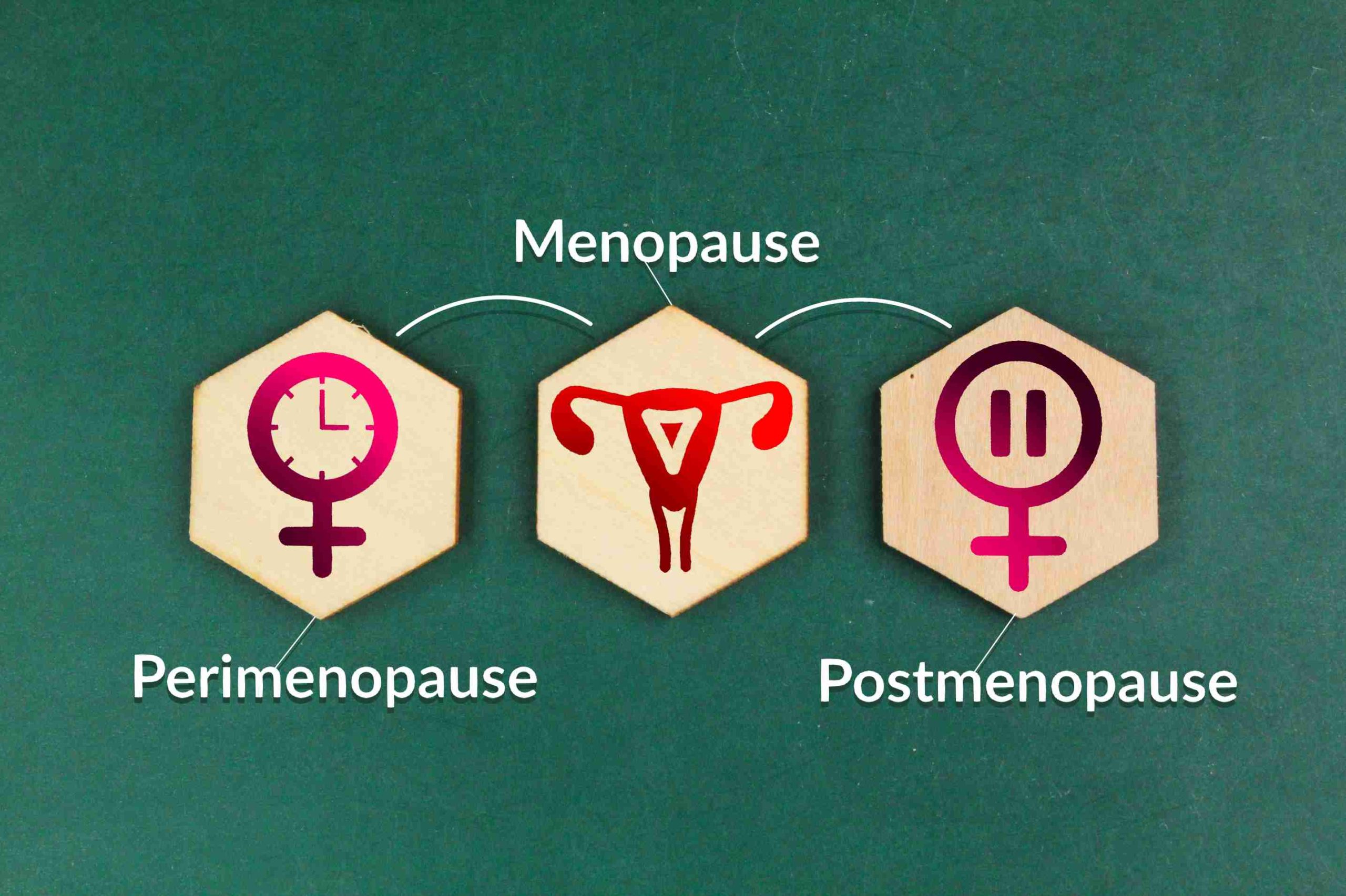
Perimenopause is the transition leading up to menopause, and it can begin years before menstrual periods stop completely. During this stage, ovarian hormone production becomes less predictable, which can contribute to changes in menstrual cycles, temperature regulation, sleep, mood, energy, and other aspects of daily life. Because symptoms can vary significantly from one person to another, natural herbal support for perimenopause should not be approached as a one-size-fits-all solution. A supplement that seems appropriate for one symptom may not address another, and some herbs can interact with medications or may not be suitable for certain individuals.
A better starting point is to identify the symptoms that are actually affecting your quality of life. This makes it easier to evaluate whether an herbal supplement has a reasonable role in your routine rather than taking several products at once and trying to guess what is helping.
Start With Your Main Perimenopause Symptoms
Before choosing a supplement, consider keeping a simple symptom record for a few weeks. Note changes such as cycle irregularity, occasional hot flashes, sleep disruption, mood changes, fatigue, or other concerns. Patterns can be more useful than trying to remember how you felt several weeks earlier.
- Track the symptom: Identify what is most bothersome rather than trying to address everything simultaneously.
- Track the timing: Note whether symptoms appear around certain parts of your cycle, at night, after meals, or during stressful periods.
- Review your routine: Consider sleep, hydration, exercise, alcohol, caffeine, and overall diet alongside supplements.
- Change one thing at a time: This makes it easier to recognize how your body responds.
This approach also helps distinguish between a supplement being ineffective and a symptom being influenced by several factors at once.
What Does Herbal Support Actually Mean?
Herbal support refers to preparations derived from plants, including herbs, extracts, powders, and standardized botanical ingredients. Some botanicals have been investigated for symptoms associated with menopause and the menopausal transition, but the strength of evidence differs considerably between ingredients.
The word “natural” also does not automatically mean “risk-free.” Plant compounds can have biological effects, and concentrated extracts may behave differently from the foods or traditional preparations from which they originate.
The key principle: Choose an herbal supplement based on its specific ingredient, available evidence, product quality, and your individual circumstances—not simply because it is labeled natural.
Where Pueraria Mirifica Fits In
Pueraria mirifica is a Thai plant traditionally used in herbal preparations and is particularly known for its phytoestrogen content. Phytoestrogens are naturally occurring plant compounds that can interact with estrogen receptors, although their biological activity is not identical to that of human estrogen.
This is one reason Pueraria mirifica is often discussed in relation to women’s wellness and the menopausal transition. However, evidence from clinical research should be interpreted carefully. Studies may differ in extract preparation, dose, duration, participant characteristics, and the symptoms being evaluated.
For someone considering Pueraria mirifica during perimenopause, the practical question is therefore not simply whether the herb is “good” or “bad.” The more useful questions are whether the specific product is clearly identified, whether its intended use matches your needs, and whether there are personal reasons you should avoid or discuss it with a healthcare professional first.
Look for Product Quality, Not Just Ingredient Names
Two products can contain the same herb but still differ substantially in quality. Processing methods, plant material, extraction methods, standardization, testing, and labeling can all affect what is actually present in a finished supplement.
When evaluating perimenopause herbal supplements, look for transparent information about the botanical ingredient and the amount provided per serving. Products from manufacturers that maintain appropriate quality-control procedures can make it easier to understand what you are taking.
It is also worth checking whether the product contains multiple active herbs. A long ingredient list is not automatically better. If several botanicals are combined, it may become more difficult to identify which ingredient is responsible for an effect—or for an unwanted reaction.
“More ingredients” is not the same as “more support.” A clear, intentional supplement routine is often easier to evaluate.
Consider Safety Before Starting an Herbal Supplement
Perimenopause is a time when some people may begin using medications or supplements for the first time. This makes it especially important to consider potential interactions rather than evaluating an herb in isolation.
If you take prescription medication, have a hormone-sensitive medical condition, have unexplained vaginal bleeding, are pregnant or breastfeeding, or are preparing for a medical procedure, speak with a qualified healthcare professional before using an herbal supplement.
Unusual or persistent symptoms should also be evaluated rather than automatically attributed to perimenopause. Changes in bleeding patterns can occur during the transition, but significant, unexpected, or persistent bleeding deserves medical attention.
The goal of herbal support should be to complement sensible health care—not to replace diagnosis, screening, or treatment when those are needed.
Build a Broader Perimenopause Wellness Routine
Supplements are only one possible part of supporting wellbeing during perimenopause. Lifestyle habits can provide a foundation that works alongside any carefully selected botanical product.
Regular physical activity can support overall cardiovascular and musculoskeletal health. Adequate protein, fiber-rich foods, fruits and vegetables, and sufficient fluids can help support general nutrition. Consistent sleep habits and stress-management practices may also be valuable when sleep or mood becomes less predictable.
This broader approach is important because a supplement cannot compensate for chronic sleep deprivation, inadequate nutrition, excessive alcohol intake, or a consistently sedentary lifestyle.
- Build meals around nutrient-dense whole foods.
- Maintain regular movement and resistance exercise when appropriate.
- Keep a consistent sleep and wake schedule.
- Stay adequately hydrated throughout the day.
- Use supplements as one component of a broader wellness strategy.
How to Start Slowly and Evaluate Your Response
If an herbal supplement is appropriate for you, starting with a clear routine can make the experience easier to evaluate. Follow the manufacturer’s labeled serving instructions rather than assuming that taking more will produce better results.
Give yourself enough time to observe your response according to the product’s intended use and available evidence. At the same time, do not feel obligated to continue a product that causes unwanted effects.
Keeping a brief record of symptoms, supplement use, sleep, cycle changes, and other major routine changes can help you identify patterns. If several supplements are introduced simultaneously, it becomes much harder to determine which one is responsible for a particular change.
Natural herbal support for perimenopause works best as a thoughtful process: identify the need, investigate the ingredient, assess safety, choose a quality product, and monitor how your body responds.
When to Talk With a Healthcare Professional
Herbal supplements may be appropriate for some people, but professional guidance is particularly valuable when symptoms are severe, new, persistent, or difficult to explain.
Talk with a healthcare professional if symptoms substantially interfere with daily life, if bleeding becomes concerning, or if you are unsure whether what you are experiencing is related to perimenopause. You should also discuss supplements if you take medications or have an existing medical condition that could affect their suitability.
A healthcare professional can help determine whether symptoms are consistent with the menopausal transition or whether another explanation should be considered.
A Practical Starting Point
There is no single “best” herbal supplement for every person going through perimenopause. The most useful starting point is often much simpler: understand your symptoms, learn about the botanical you are considering, check product quality, and make safety part of the decision.
For those exploring natural herbal support for perimenopause, Pueraria mirifica is one botanical that may warrant further research because of its traditional use and phytoestrogen content. However, interest in an herb should not be confused with proof that it will produce a particular result for everyone.
Taking a measured approach allows you to explore herbal options without losing sight of the bigger picture: perimenopause is a normal biological transition, but persistent or concerning symptoms still deserve appropriate medical evaluation.
Explore St.Herb Products
Discover St.Herb’s range of herbal wellness products and explore options designed around plant-based ingredients and everyday women’s wellness.
Explore St.Herb ProductsFrequently Asked Questions
What is natural herbal support for perimenopause?
Natural herbal support refers to the use of plant-derived ingredients as part of a broader approach to managing wellbeing during perimenopause. Evidence varies between herbs, so products should be evaluated individually.
Is Pueraria mirifica used for perimenopause?
Pueraria mirifica is a Thai botanical containing phytoestrogenic compounds and is traditionally used in women’s herbal wellness. Research into its potential applications should be interpreted according to the specific extract, dose, study design, and individual circumstances.
Are herbal supplements safe during perimenopause?
Safety depends on the specific botanical, formulation, dose, health history, and medications being used. “Natural” does not automatically mean risk-free, so professional advice may be appropriate before starting a supplement.
How should I choose a perimenopause herbal supplement?
Look for clearly identified ingredients, transparent serving information, appropriate quality controls, and a product that matches your specific needs. Avoid assuming that a higher dose or longer ingredient list is necessarily better.
Can I combine herbal supplements during perimenopause?
Combining supplements can make it harder to identify benefits, side effects, or interactions. Introducing changes one at a time and discussing combinations with a healthcare professional can provide a more cautious approach.