Pueraria Mirifica Explained: Benefits, Dosage & How It Works
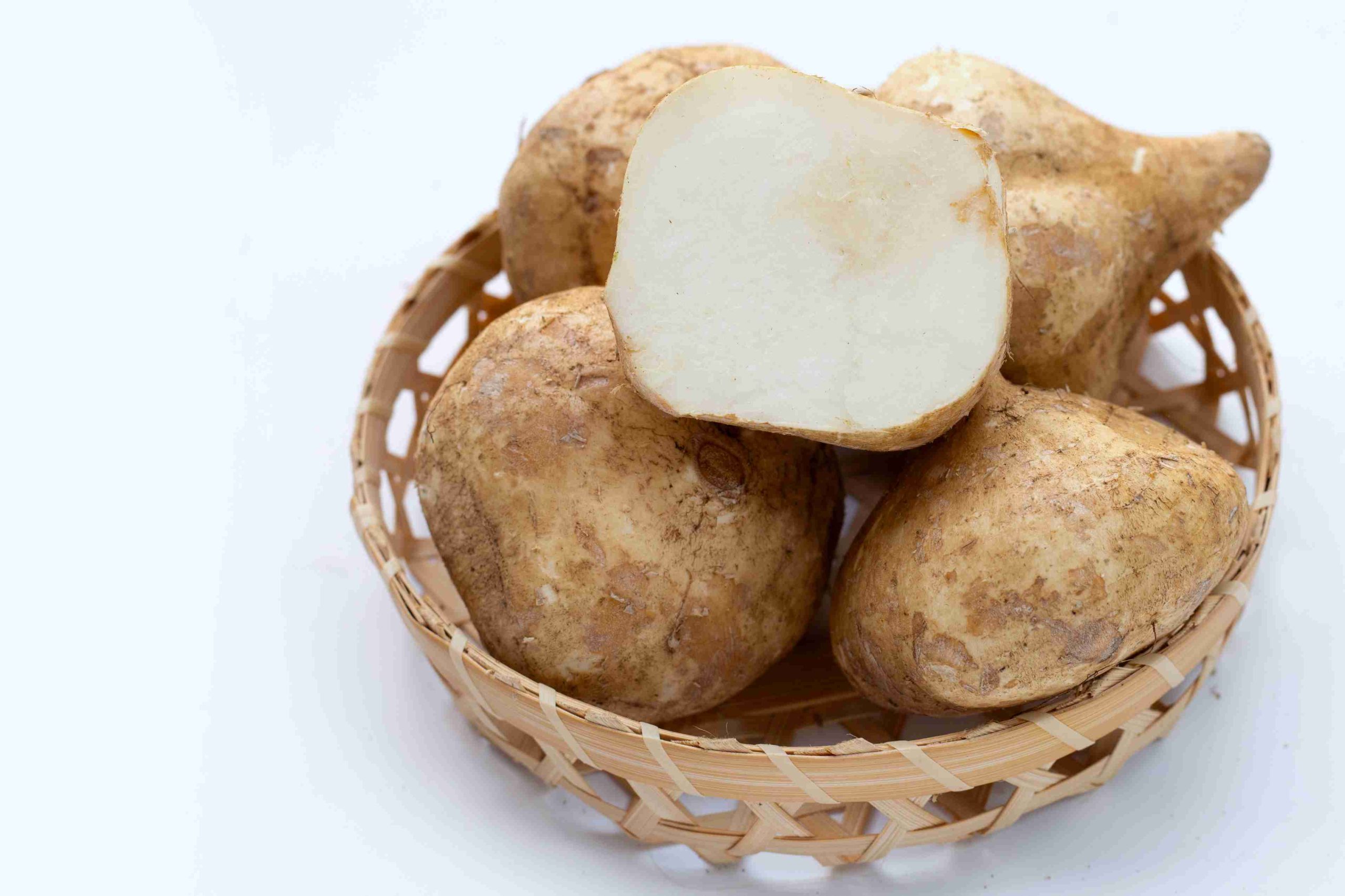
Pueraria mirifica is a traditional Thai herb that has gained international attention for its potential role in women’s wellness, hormonal balance, and healthy aging. Native to Thailand and parts of Southeast Asia, this botanical has been used for generations in traditional practices, particularly for supporting female vitality and menopausal comfort. Today, Pueraria mirifica is commonly found in dietary supplements, skincare formulas, and wellness products aimed at supporting hormonal health. Much of its popularity comes from its naturally occurring phytoestrogens, plant compounds that can interact with estrogen receptors in the body.
In this guide, we will explain how Pueraria mirifica works, explore its potential benefits, review dosage considerations, and discuss important safety information to help consumers make informed decisions.
What Is Pueraria Mirifica?
Pueraria mirifica is a tuberous plant belonging to the legume family. The root contains several naturally occurring phytoestrogen compounds, including:
- Miroestrol
- Deoxymiroestrol
- Puerarin
- Genistein
- Daidzein
These compounds are structurally similar to human estrogen, which is why researchers have studied the herb for its possible effects on menopausal symptoms, skin health, and female wellness.
Traditional Thai medicine has historically used Pueraria mirifica as a rejuvenating herb for women, especially during midlife transitions. Modern supplement manufacturers now standardize extracts to ensure more consistent levels of active compounds.
How Pueraria Mirifica Works
The primary mechanism behind Pueraria mirifica involves phytoestrogens binding to estrogen receptors in the body.
When estrogen levels decline naturally with age, especially during perimenopause and menopause, some women experience symptoms such as:
- Hot flashes
- Night sweats
- Vaginal dryness
- Mood fluctuations
- Changes in skin elasticity
- Reduced bone density
The phytoestrogens in Pueraria mirifica may help support estrogen receptor activity in a gentler way compared to synthetic hormones.
Key Functional Pathways
1. Estrogen Receptor Interaction
Phytoestrogens can interact with estrogen receptors known as ER-alpha and ER-beta. This interaction may help support hormonal signaling in tissues such as:
- Skin
- Bone
- Breast tissue
- Vaginal tissue
- Blood vessels
2. Antioxidant Support
Pueraria mirifica also contains antioxidant compounds that may help reduce oxidative stress. Oxidative stress is associated with visible aging and cellular damage over time.
3. Skin and Collagen Support
Some research suggests estrogen-related pathways influence collagen production and skin hydration. By supporting these pathways, Pueraria mirifica may contribute to improved skin appearance and elasticity.
Potential Benefits of Pueraria Mirifica
While research is still developing, studies and traditional use suggest several possible benefits.
1. Menopausal Symptom Support
One of the most widely studied applications involves menopausal wellness.
Some women report improvements in:
- Hot flashes
- Sleep quality
- Vaginal dryness
- Mood balance
- Night sweats
Researchers believe these effects are linked to the herb’s phytoestrogen activity.
However, results can vary depending on dosage, extract quality, age, and individual hormone sensitivity.
2. Skin Health and Appearance
Estrogen plays a role in maintaining skin hydration, thickness, and elasticity. As estrogen declines with age, the skin may become thinner and drier.
Pueraria mirifica may help support:
- Skin moisture
- Elasticity
- Smoother appearance
- Healthy aging support
For this reason, the ingredient is sometimes included in beauty supplements and topical skincare products.
3. Bone Health Support
Estrogen contributes to bone remodeling and density maintenance. Preliminary research suggests phytoestrogens may help support bone health during aging.
Although Pueraria mirifica should not replace medical treatment for osteoporosis, it may play a supportive role as part of a broader wellness strategy that includes:
- Calcium intake
- Vitamin D
- Resistance exercise
- Balanced nutrition
4. Female Wellness Support
Some consumers use Pueraria mirifica for general female wellness and body comfort.
Potential supportive effects may include:
- Hormonal balance support
- Breast tissue support
- Comfort during menstrual transitions
- Reproductive wellness support
It is important to note that scientific evidence for some traditional claims remains limited.
Recommended Pueraria Mirifica Dosage
There is no universal dosage that works for everyone because potency varies between extracts and formulations.
However, many commercial supplements provide:
- 100 to 500 mg daily of standardized extract
Some products use lower doses with higher standardization levels, while others use larger amounts of non-standardized powder.
General Dosage Guidelines
| Product Type | Typical Daily Range |
|---|---|
| Standardized extract | 100 to 300 mg |
| Root powder | 250 to 500 mg |
| Topical cream or serum | Follow manufacturer instructions |
Best Practices for Supplement Use
- Start with the lowest effective dose
- Follow label instructions carefully
- Take consistently for several weeks before evaluating results
- Avoid combining multiple estrogenic supplements without professional guidance
Some manufacturers recommend cycling usage patterns, although protocols may differ.
Who Should Avoid Pueraria Mirifica?
Because of its estrogen-like activity, Pueraria mirifica may not be appropriate for everyone.
Individuals who should consult a healthcare professional before use include:
- Pregnant women
- Breastfeeding women
- Individuals with hormone-sensitive conditions
- People taking hormone medications
- Those with a history of estrogen-dependent cancers
Potential side effects may include:
- Breast tenderness
- Headache
- Digestive discomfort
- Hormonal sensitivity reactions
Choosing a reputable supplement brand with quality testing and standardized extracts is also important for safety and consistency.
How to Choose a Quality Pueraria Mirifica Supplement
Not all herbal supplements are created equally. Product quality can significantly affect effectiveness and safety.
Look for These Features
Standardized Extracts
Products standardized for active compounds help improve consistency.
Third-Party Testing
Independent testing may help verify purity and identity.
Transparent Labeling
Choose products that clearly list:
- Dosage
- Extract ratio
- Ingredient source
- Manufacturing standards
GMP Manufacturing
Supplements produced in GMP-certified facilities generally follow higher quality control practices.
Pueraria Mirifica vs Other Phytoestrogen Herbs
Several herbs contain phytoestrogens, but they differ in potency and composition.
| Herb | Main Compounds | Common Uses |
|---|---|---|
| Pueraria mirifica | Miroestrol, isoflavones | Menopause and skin support |
| Soy isoflavones | Genistein, daidzein | General menopausal wellness |
| Red clover | Isoflavones | Hormonal balance support |
| Black cohosh | Triterpene glycosides | Menopausal symptom support |
Pueraria mirifica is often considered one of the stronger phytoestrogenic herbs because of compounds such as miroestrol and deoxymiroestrol.
Final Thoughts
Pueraria mirifica continues to attract interest for its potential role in women’s wellness, menopausal support, and healthy aging. Its naturally occurring phytoestrogens may help support estrogen-related pathways involved in skin health, comfort during menopause, and overall female vitality.
Still, responsible use is important. Consumers should prioritize high-quality supplements, follow appropriate dosage guidelines, and consult healthcare professionals when necessary, especially if hormone-sensitive conditions are involved.
As research continues, Pueraria mirifica remains one of the most recognized traditional Thai herbs in the global wellness market.
FAQs
No. Pueraria mirifica contains plant-based phytoestrogens, while hormone replacement therapy typically involves pharmaceutical hormones prescribed by healthcare providers.
Some users report noticing changes within a few weeks, while others may require longer periods of consistent use. Individual response varies depending on dosage, metabolism, and hormone status.
Yes, however the herb has estrogen-like activity, men should use caution and consult a healthcare professional before taking it regularly.
Long-term safety research is still limited. Using appropriate doses and consulting a healthcare provider is recommended, especially for extended use.
Some evidence suggests phytoestrogens may support skin hydration and elasticity by influencing estrogen-related pathways involved in collagen maintenance.
Many supplements are designed for daily use, but dosage schedules can vary by product and individual needs. Always follow the manufacturer’s instructions or professional guidance.