5 Thai Herbs That Help Balance Hormones Naturally in 2026
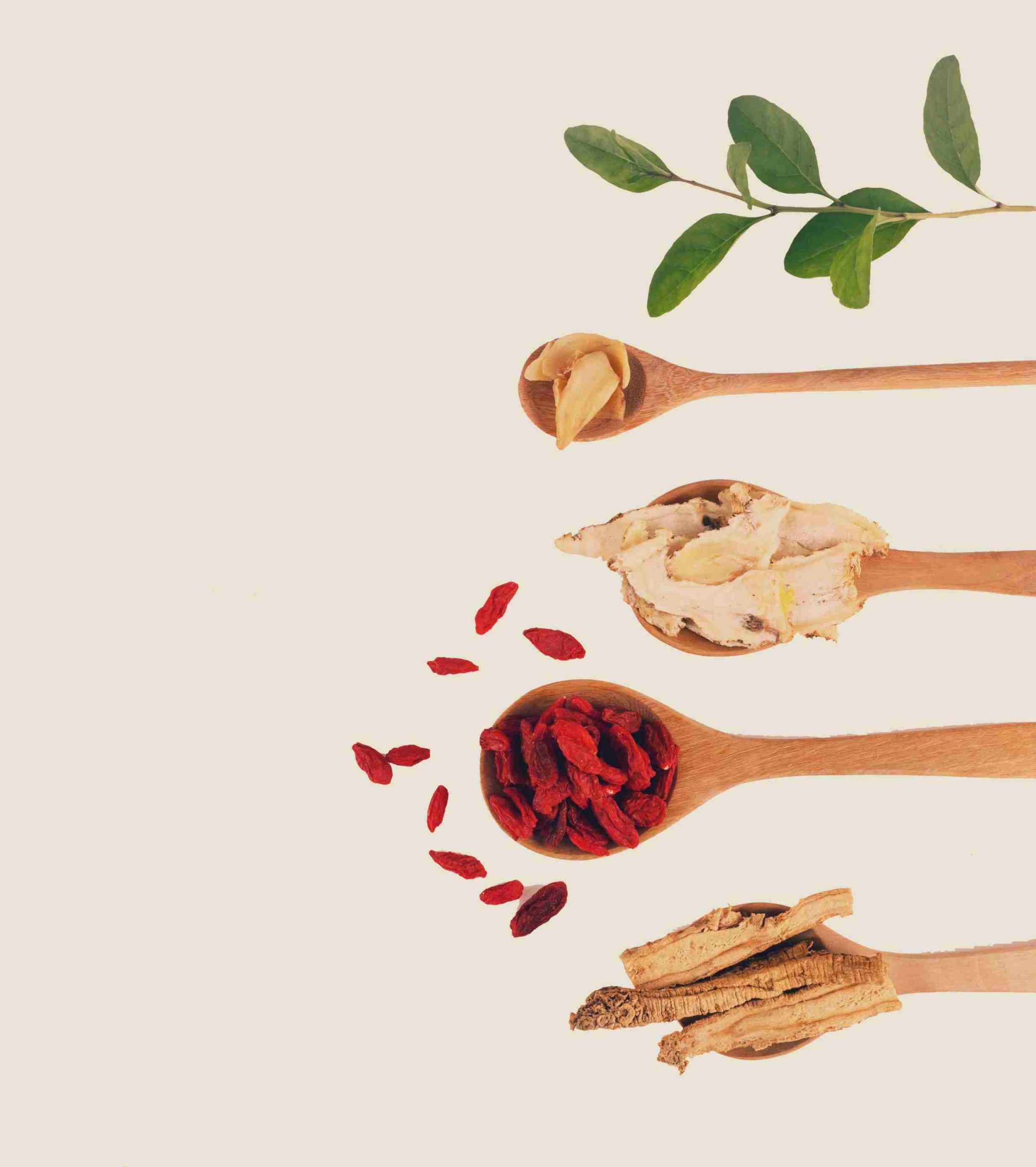
Natural hormone balance has become one of the biggest wellness priorities in 2026. As consumers become more ingredient-conscious, many people are turning toward traditional herbal solutions that have been used for generations in Southeast Asia. Thailand is widely recognized for its rich herbal traditions and biodiversity. Thai herbal medicine combines centuries of traditional knowledge with modern botanical research, making Thai herbs increasingly popular in global wellness markets.
Hormones influence many aspects of health, including:
- Energy levels
- Mood
- Sleep quality
- Skin appearance
- Menstrual comfort
- Metabolism
- Reproductive wellness
While herbs are not replacements for medical treatment, certain Thai botanicals may help support hormonal wellness naturally when combined with healthy lifestyle habits.
In this guide, we explore five well-known Thai herbs that continue to gain attention in 2026 for their potential role in supporting hormone balance and overall wellness.
1. Pueraria Mirifica
Pueraria mirifica is one of Thailand’s most internationally recognized herbs for women’s wellness and hormonal support.
Native to Thailand’s forest regions, this tuberous plant contains naturally occurring phytoestrogens such as:
- Miroestrol
- Deoxymiroestrol
- Isoflavones
- Genistein
These compounds are structurally similar to estrogen, which is why the herb is commonly associated with female hormonal wellness.
Traditional Uses
Traditionally, Thai communities used Pueraria mirifica to support:
- Female vitality
- Healthy aging
- Skin appearance
- Menopausal comfort
Potential Benefits
Modern interest in Pueraria mirifica focuses on:
- Menopausal support
- Skin hydration and elasticity
- Hormonal wellness support
- Healthy aging support
Some research suggests phytoestrogens may interact with estrogen receptors, although results can vary between individuals.
Common Product Forms
Pueraria mirifica is commonly available as:
- Capsules
- Powders
- Herbal drinks
- Creams and serums
Consumers should prioritize products with standardized extracts and transparent labeling.
2. Butea Superba
Butea superba is traditionally associated with male vitality and physical wellness.
This climbing herb has long been used in Thai herbal practices for energy, stamina, and circulation support.
Why It Matters for Hormonal Wellness
Although research remains limited, Butea superba is often discussed in relation to:
- Male reproductive wellness
- Physical stamina
- Energy support
- Circulation support
Some researchers believe the herb’s bioactive compounds may support pathways involved in male wellness and vitality.
Traditional Applications
Historically, the root was used in herbal tonics aimed at supporting:
- Physical endurance
- Male vitality
- General wellness during aging
Today, Butea superba appears in modern supplement formulations marketed toward men’s wellness categories.
3. Black Ginger
Kaempferia parviflora, commonly known as Black Ginger, has become increasingly popular in wellness and sports nutrition products.
The dark purple rhizome contains flavonoids and methoxyflavones that are being studied for their effects on circulation, energy metabolism, and physical performance.
Potential Wellness Benefits
Black Ginger is commonly used to support:
- Energy levels
- Physical performance
- Healthy circulation
- Metabolic wellness
Because hormones and metabolism work closely together, herbs that support energy regulation may indirectly support overall hormonal balance.
Why It Is Trending in 2026
Consumers are increasingly interested in natural performance and longevity support. Black Ginger fits well into this trend because it combines traditional use with growing scientific attention.
It is commonly found in:
- Energy supplements
- Functional beverages
- Performance formulas
- Men’s wellness products
4. Turmeric
Turmeric has been used throughout Asia for centuries and remains one of the most widely researched herbal ingredients today.
Although turmeric is not exclusive to Thailand, Thai herbal traditions commonly include it in wellness practices.
Hormonal Wellness and Inflammation
Chronic inflammation and oxidative stress may affect hormonal health over time.
Turmeric contains curcumin, a compound known for its antioxidant and anti-inflammatory properties. Researchers continue studying its role in supporting:
- Metabolic health
- Cellular wellness
- Healthy aging
- General wellness balance
Modern Wellness Uses
Turmeric is widely used in:
- Herbal capsules
- Wellness teas
- Functional foods
- Beauty supplements
Its versatility continues to make it one of the most popular botanical ingredients globally.
5. Ginger
Ginger remains a foundational herb in Thai wellness traditions.
Known for its warming properties and digestive support, ginger is also studied for broader wellness applications.
Potential Hormonal Support Benefits
Research suggests ginger may support:
- Healthy digestion
- Circulation
- Metabolic balance
- Comfort during menstrual cycles
Broader lifestyle and metabolic health often influence hormonal wellness, which is why supportive herbs like ginger remain relevant.
Traditional Thai Use
In Thailand, ginger is commonly included in:
- Herbal drinks
- Soups and cuisine
- Traditional wellness tonics
- Recovery-focused herbal formulas
Its long history of culinary and wellness use contributes to its popularity across generations.
Why Thai Herbs Continue to Grow in Popularity
Several factors are driving global demand for Thai herbal wellness products in 2026.
Consumer Interest in Natural Wellness
Many consumers are looking for plant-based wellness approaches that align with holistic lifestyles.
Traditional Knowledge Meets Modern Research
Thai herbal medicine combines traditional practices with increasing scientific exploration, helping consumers better understand botanical ingredients.
Focus on Preventive Wellness
Modern wellness trends increasingly emphasize:
- Healthy aging
- Stress management
- Hormonal support
- Energy optimization
- Long-term vitality
Thai herbs fit naturally within these wellness categories.
Important Considerations Before Using Herbal Supplements
Natural does not always mean risk-free. Consumers should approach herbal supplements responsibly.
Choose High-Quality Products
Look for:
- GMP-certified manufacturing
- Third-party testing
- Transparent ingredient labels
- Standardized extracts
Consult Healthcare Professionals
Individuals who are pregnant, breastfeeding, taking medications, or managing hormone-sensitive conditions should seek professional guidance before using herbal supplements.
Focus on Overall Lifestyle
Herbs work best when combined with supportive habits such as:
- Balanced nutrition
- Exercise
- Stress management
- Quality sleep
- Hydration
Final Thoughts
Thailand continues to be one of the world’s most respected sources of traditional herbal wellness knowledge. Herbs such as Pueraria mirifica, Butea superba, and Kaempferia parviflora remain highly relevant in 2026 as consumers increasingly seek natural ways to support hormonal wellness and healthy aging.
While scientific research is still evolving for many traditional herbs, the combination of historical use and growing modern interest continues to shape the future of botanical wellness.
Choosing high-quality products, maintaining realistic expectations, and supporting overall health habits remain essential for long-term wellness success.
FAQs
Popular Thai herbs for hormone wellness include Pueraria mirifica, Butea superba, Black Ginger, turmeric, and ginger.
Preliminary research supports the traditional uses of some herbs, but researchers still need more large-scale clinical studies for many botanical ingredients.
Herbal supplements are not replacements for prescribed medical treatments. Consumers should consult healthcare professionals regarding hormone-related conditions.
Phytoestrogen-containing herbs may not be suitable for everyone, especially individuals with hormone-sensitive conditions. Professional medical advice is recommended.
Growing interest in natural wellness, healthy aging, and traditional botanical medicine has increased global demand for Thai herbal products.
Look for products with third-party testing, transparent labeling, GMP-certified manufacturing, and standardized extracts where applicable.