Traditional Uses of Eurycoma Longifolia Explained
Today, Eurycoma Longifolia is one of the most recognized botanical ingredients in the global wellness industry. Often referred to as Tongkat Ali, this Southeast Asian herb is commonly associated with vitality, active lifestyles, and men’s wellness supplements. However, the story of Eurycoma Longifolia began long before modern capsules, extracts, and wellness brands existed. For centuries, communities across Malaysia, Thailand, Indonesia, and neighboring regions relied on local plants to support everyday well-being. Among these botanicals, Eurycoma Longifolia earned a particularly respected place in traditional herbal systems.
Understanding its traditional uses provides valuable context for why this herb continues to attract attention today.
- Deep roots in Southeast Asian herbal traditions
- Long history of traditional wellness use
- Cultural importance across multiple countries
- Growing relevance in modern herbal wellness
- Continued interest from global consumers
What Is Eurycoma Longifolia?
Eurycoma Longifolia is a flowering plant native to tropical regions of Southeast Asia. It grows naturally in forested environments and is particularly associated with Malaysia, Indonesia, southern Thailand, and surrounding areas.
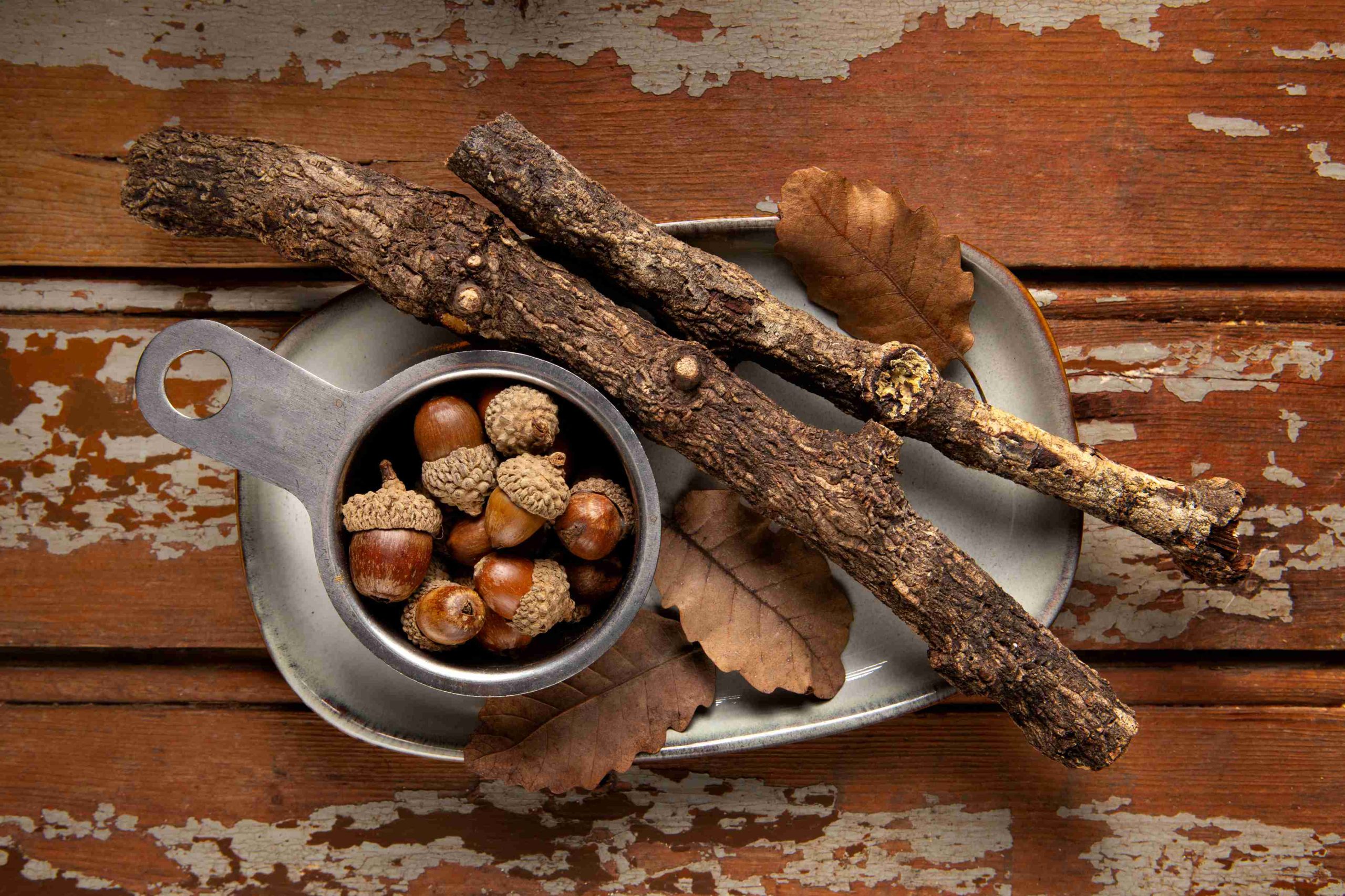
The plant’s roots have historically been the most valued part, often prepared using traditional extraction methods such as decoctions and herbal tonics.
Today, the root remains the primary source used in modern wellness supplements.
Eurycoma Longifolia Jack
Tongkat Ali
Tropical forests of Southeast Asia
The Role of Herbal Medicine in Southeast Asian Culture
To understand the traditional use of Eurycoma Longifolia, it helps to appreciate the broader context of Southeast Asian herbal medicine.
For generations, rural communities relied heavily on local plants and traditional healers. Botanical knowledge was often passed down orally through families and community elders.
Traditional herbal practices frequently focused on:
- Maintaining vitality
- Supporting recovery after physical labor
- Promoting overall wellness
- Supporting healthy aging
- Maintaining balance within the body
Within these traditions, Eurycoma Longifolia became one of the region’s most respected herbs.
Traditional Uses of Eurycoma Longifolia
Historically, Eurycoma Longifolia was incorporated into various herbal preparations across Southeast Asia.
Traditional applications commonly focused on:
- Supporting vitality and stamina
- Promoting physical resilience
- Supporting active lifestyles
- Encouraging overall well-being
- Supporting men’s wellness traditions
The root was often boiled into concentrated herbal decoctions and consumed as part of broader wellness practices. These preparations were typically integrated into everyday life rather than viewed as isolated remedies.
In many communities, the herb became associated with strength, endurance, and maintaining vitality during physically demanding lifestyles.
How Traditional Preparations Were Made
Unlike today’s capsules and standardized extracts, traditional preparations were usually much simpler.
| Traditional Method | Description |
|---|---|
| Root Decoction | The root was simmered in water for extended periods to create herbal beverages. |
| Herbal Tonics | Combined with other regional herbs as part of broader wellness formulations. |
| Daily Consumption | Often used regularly within traditional wellness practices. |
| Community Knowledge | Preparation methods were passed through generations. |
While modern manufacturing offers greater convenience, these traditional approaches helped establish the herb’s cultural significance.
Why the Herb Became So Highly Valued
Several factors contributed to the enduring reputation of Eurycoma Longifolia throughout Southeast Asia.
Natural Availability
The plant grew within regional forests and was accessible to local communities.
Cultural Tradition
Knowledge surrounding its use was passed through generations.
Association With Vitality
The herb became linked to maintaining active and productive lifestyles.
Versatility
It could be incorporated into multiple traditional wellness preparations.
Over time, these factors helped establish Eurycoma Longifolia as one of Southeast Asia’s best-known botanical ingredients.
From Traditional Herb to Global Wellness Supplement
Interest in Eurycoma Longifolia expanded significantly during the late twentieth and early twenty-first centuries as consumers worldwide became more interested in traditional botanicals.
Several trends supported this growth:
- Increased interest in herbal wellness
- Growing appreciation for traditional medicine systems
- Expansion of global supplement markets
- Rising consumer focus on vitality and healthy aging
- Advances in botanical research
As awareness spread internationally, Eurycoma Longifolia transitioned from a regional traditional herb into a globally recognized wellness ingredient.
Why Traditional Knowledge Still Matters Today
Modern consumers often focus on scientific studies and product quality, but traditional use remains an important part of understanding herbal wellness.
Historical knowledge provides insights into:
- How herbs were traditionally prepared
- Cultural perspectives on wellness
- Longstanding patterns of use
- Regional herbal traditions
- The relationship between people and medicinal plants
For many consumers, this blend of heritage and modern wellness makes Eurycoma Longifolia particularly appealing.
Choosing Quality Eurycoma Longifolia Products Today
As global demand grows, quality and transparency have become increasingly important.
Consumers should look for:
- Clearly labeled ingredients
- Responsible sourcing practices
- GMP-certified manufacturing
- Quality testing procedures
- Established herbal wellness brands
Explore premium herbal wellness products inspired by traditional Southeast Asian botanical knowledge through the ST Herbs collection.
Discover carefully sourced supplements designed to support vitality, active lifestyles, and healthy aging goals.
Final Thoughts
The history of Eurycoma Longifolia extends far beyond modern supplement shelves. Its roots are deeply embedded in Southeast Asian culture, where generations relied on botanical knowledge to support everyday wellness.
While preparation methods have evolved and global awareness has expanded, the herb’s enduring popularity reflects the continued relevance of traditional herbal wisdom.
Understanding these traditional uses provides valuable perspective on why Eurycoma Longifolia remains one of the most respected botanical ingredients in the world of herbal wellness today.
Explore Traditional Herbal Wellness
Discover premium botanical supplements inspired by Southeast Asia’s rich herbal traditions and designed for modern wellness lifestyles.
Explore ProductsFrequently Asked Questions
What is Eurycoma Longifolia?
Eurycoma Longifolia, commonly known as Tongkat Ali, is a traditional Southeast Asian herb whose root has been used in regional wellness practices for generations.
Where does Eurycoma Longifolia grow naturally?
It grows primarily in Malaysia, Indonesia, Thailand, and other tropical regions of Southeast Asia.
How was Eurycoma Longifolia traditionally used?
Traditionally, the root was prepared as herbal decoctions and tonics that were incorporated into everyday wellness practices.
Why is Eurycoma Longifolia popular today?
Its long history of traditional use, combined with growing interest in herbal wellness and healthy aging, has contributed to its modern popularity.
What part of the plant is commonly used?
The root is traditionally the most valued and commonly used part of the plant.
What should I look for when choosing a supplement?
Choose products with transparent labeling, quality testing, responsible sourcing, and reputable manufacturing practices.