Can Plant-Based Wellness Support Modern Menopause Routines?
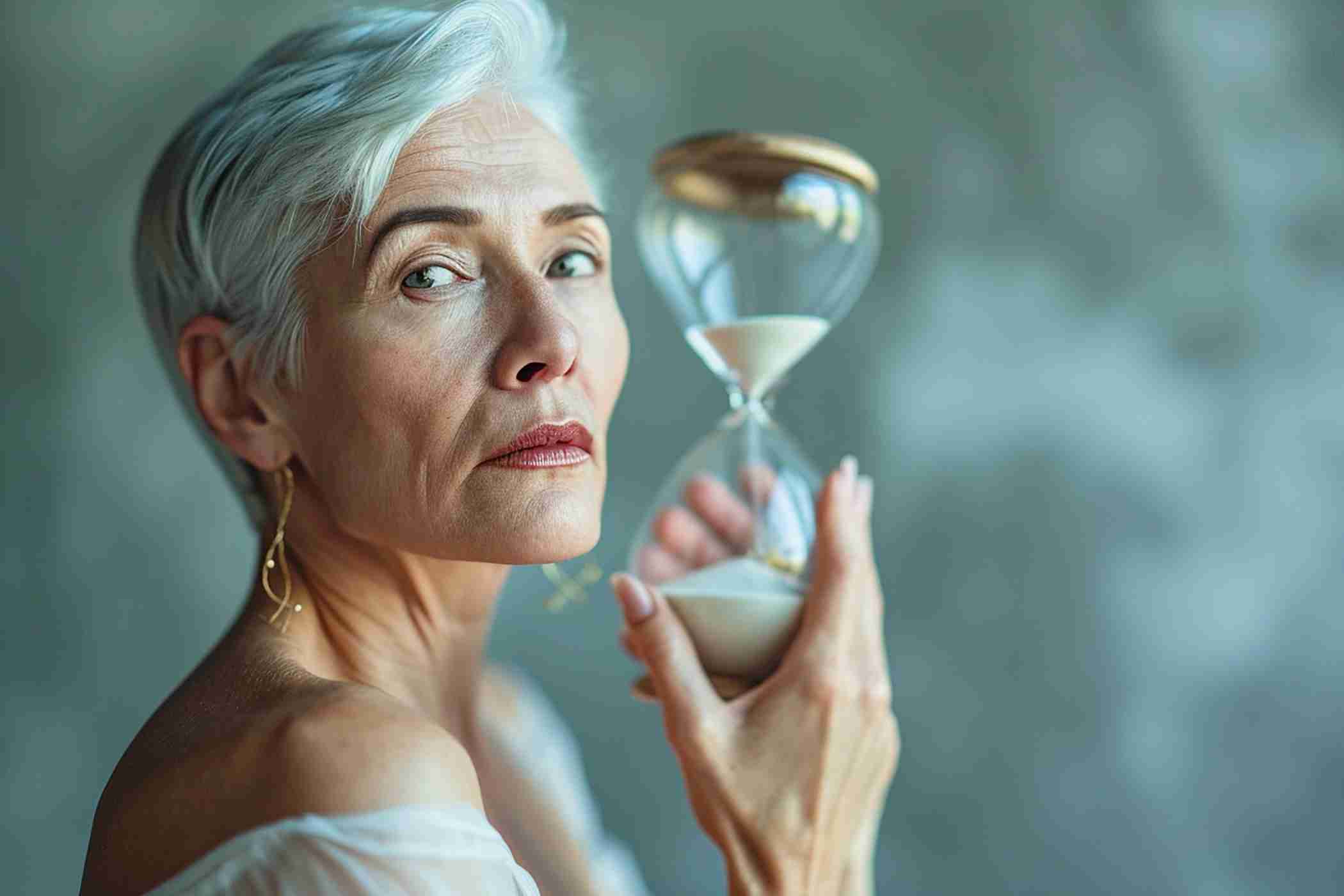
Menopause is a natural stage of life that every woman experiences, yet the way women approach menopause is changing dramatically. In 2026, more women are taking a proactive role in their wellness by focusing on nutrition, movement, stress management, sleep quality, and plant-based support strategies. Rather than waiting for symptoms to disrupt daily life, many women are building long-term wellness routines designed to support overall well-being during the menopausal transition. As a result, interest in plant-based wellness for menopause has grown significantly.
From phytoestrogen-rich botanicals to holistic lifestyle practices, women are increasingly exploring natural approaches that complement modern wellness goals.
- Healthy aging support
- Hormonal wellness awareness
- Plant-based lifestyle trends
- Preventive wellness strategies
- Long-term vitality goals
Why Menopause Conversations Are Changing
For years, menopause was rarely discussed openly. Today, women have greater access to education, expert guidance, and wellness resources than ever before.
This increased awareness has encouraged women to become more informed about:
- Hormonal transitions
- Lifestyle modifications
- Nutrition strategies
- Physical activity habits
- Plant-based wellness options
As a result, menopause is increasingly viewed as an important life stage that deserves proactive wellness planning.
What Is Plant-Based Wellness?
Plant-based wellness refers to wellness practices that incorporate botanicals, herbs, plant-derived nutrients, and nutrition-focused lifestyle habits.
Within menopause routines, plant-based wellness often includes:
Botanical ingredients traditionally associated with women’s wellness.
Plant compounds naturally found in certain foods and herbs.
Nutrient-rich dietary patterns that support overall wellness.
These approaches are often used alongside broader healthy lifestyle practices.
Understanding Phytoestrogens
One reason plant-based wellness attracts attention during menopause is the presence of phytoestrogens in certain plants.
Phytoestrogens are naturally occurring plant compounds that can interact with estrogen receptors in the body. They are found in a variety of foods and botanical ingredients.
Common sources include:
- Soy isoflavones
- Flaxseed lignans
- Red clover
- Pueraria Mirifica
- Various legumes and plant foods
Because menopause is associated with natural hormonal changes, phytoestrogen-containing plants continue to generate interest among wellness consumers.
Popular Botanical Ingredients in Women’s Wellness
| Botanical Ingredient | Common Wellness Interest |
|---|---|
| Pueraria Mirifica | Women’s wellness and healthy aging routines |
| Red Clover | Phytoestrogen-focused supplementation |
| Soy Isoflavones | Plant-based nutritional support |
| Black Cohosh | Traditional women’s wellness use |
| Flaxseed | Dietary phytoestrogen source |
Each botanical has its own history of traditional use and continues to be studied within modern wellness discussions.
Menopause Wellness Goes Beyond Supplements
Experts increasingly recognize that healthy menopause routines involve more than supplementation alone.
Nutrition
Balanced diets provide essential nutrients that support overall health.
Movement
Regular exercise supports mobility, strength, and long-term wellness.
Sleep Quality
Recovery remains a critical component of healthy aging.
Stress Management
Mental well-being plays an important role during hormonal transitions.
Plant-based wellness is often most effective when incorporated into these broader lifestyle foundations.
Why Women Are Returning to Herbal Wellness in 2026
Several factors are driving renewed interest in herbal wellness among women.
- Growing interest in natural wellness approaches
- Increased education about healthy aging
- Better access to botanical products
- Rising focus on preventive health
- Greater transparency from wellness brands
Many women appreciate that traditional botanicals offer a connection between historical herbal knowledge and modern wellness practices.
Choosing Quality Plant-Based Supplements
As demand increases, selecting reputable products becomes increasingly important.
When evaluating supplements, consumers should consider:
- Transparent ingredient labels
- Responsible sourcing practices
- GMP-certified manufacturing
- Third-party quality testing when available
- Educational brand transparency
Quality and consistency remain essential factors when building a long-term wellness routine.
Explore premium herbal wellness products inspired by traditional botanical knowledge through the ST Herbs collection.
Discover carefully sourced botanical supplements designed to support women’s wellness, healthy aging, and modern lifestyle goals.
The Future of Menopause Wellness
Menopause wellness is likely to continue evolving as women seek more personalized and holistic approaches to health.
Future trends may include greater integration of nutrition, lifestyle coaching, botanical wellness, and evidence-informed supplementation. Women are increasingly looking beyond temporary solutions and focusing on long-term well-being.
Plant-based wellness fits naturally into this movement because it supports a proactive, lifestyle-centered approach to healthy aging.
Support Women’s Wellness Naturally
Explore botanical wellness solutions inspired by traditional herbal knowledge and designed for modern healthy aging routines.
Explore ProductsFrequently Asked Questions
What is plant-based wellness for menopause?
Plant-based wellness includes herbs, botanicals, phytoestrogen-rich foods, and lifestyle practices that support overall well-being during menopause.
What are phytoestrogens?
Phytoestrogens are naturally occurring plant compounds found in certain foods and herbs that can interact with estrogen receptors in the body.
Is Pueraria Mirifica considered a phytoestrogen source?
Yes. Pueraria Mirifica contains naturally occurring phytoestrogen compounds and is commonly discussed in women’s wellness routines.
Can supplements replace healthy lifestyle habits during menopause?
No. Nutrition, exercise, sleep, and stress management remain essential components of menopause wellness.
Why are herbal wellness products becoming more popular?
Many women are seeking proactive, natural, and lifestyle-focused approaches to healthy aging and hormonal wellness.
What should I look for when choosing a botanical supplement?
Look for transparent labeling, responsible sourcing, quality testing, and reputable manufacturing standards.