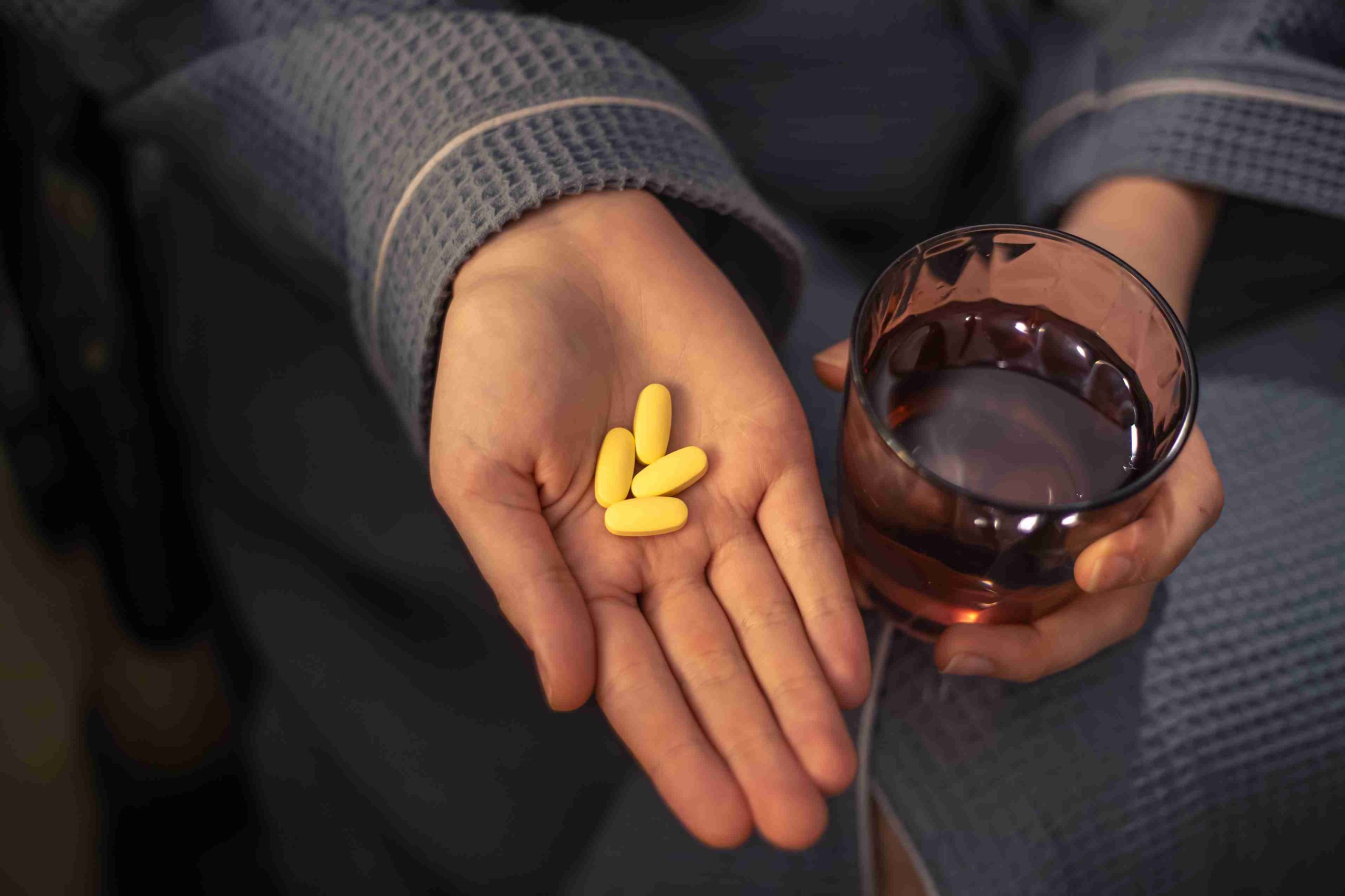
Healthy Aging in 2026: Why Herbal Wellness Is Mainstream
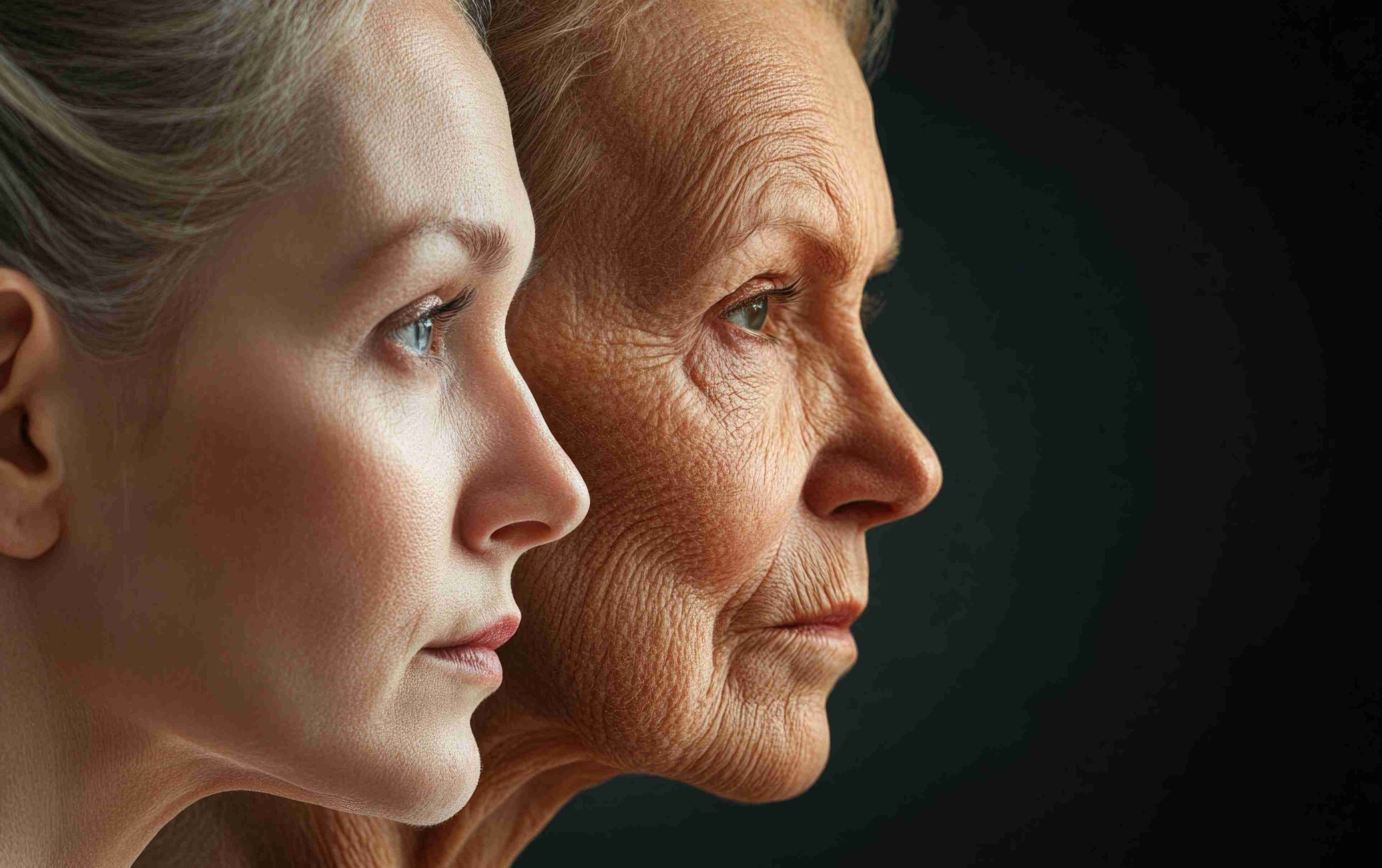
For decades, aging was often viewed as something to manage only after visible signs appeared. Today, that mindset is rapidly changing. Consumers are becoming more proactive, focusing on maintaining health, energy, and well-being long before age-related concerns arise. This shift has fueled the rise of healthy aging as one of the fastest-growing wellness categories worldwide. Alongside nutrition, exercise, sleep, and stress management, herbal wellness has emerged as a major component of modern longevity-focused lifestyles.
In 2026, herbal supplements are no longer considered niche products. They have become part of mainstream wellness conversations as consumers seek natural ways to support active living and healthy aging.
- Longevity-focused lifestyles
- Preventive wellness habits
- Daily vitality support
- Healthy aging routines
- Botanical wellness solutions
Why Healthy Aging Has Become a Global Priority
Several trends are driving interest in healthy aging. People are living longer, remaining active later in life, and seeking greater control over their long-term wellness outcomes.
Consumers today often want to:
- Maintain energy and vitality
- Stay physically active
- Support cognitive wellness
- Prioritize mobility and flexibility
- Improve overall quality of life
Rather than focusing solely on lifespan, many wellness consumers are now prioritizing healthspan, the years spent living actively and independently.
The Rise of Herbal Wellness in Modern Longevity Culture
Herbal wellness has become increasingly popular because it aligns naturally with preventive health philosophies. Many traditional botanicals have long histories of use in cultures that emphasize balance, vitality, and overall well-being.
Today’s consumers are combining this traditional knowledge with modern wellness practices, creating routines that support long-term health goals.
Centuries of botanical use continue to influence modern wellness approaches.
Consumers seek strategies that support wellness before concerns develop.
Herbal supplements fit easily into everyday wellness routines.
Popular Herbs Associated With Healthy Aging
Several botanical ingredients have become increasingly popular among consumers interested in vitality and healthy aging.
| Herb | Common Wellness Focus |
|---|---|
| Eurycoma Longifolia | Vitality, active lifestyles, and performance support |
| Pueraria Mirifica | Women’s wellness and healthy aging routines |
| Butea Superba | Men’s vitality support |
| Black Ginger | Energy, movement, and active living |
| Adaptogenic Herbs | Balance, resilience, and lifestyle wellness |
These herbs are increasingly being incorporated into wellness strategies designed to support long-term health goals.
Healthy Aging Is More Than Supplements
One of the most important developments in 2026 is the recognition that healthy aging requires a holistic approach. Supplements are often viewed as one part of a larger wellness system.
Nutrition
Balanced dietary patterns provide essential nutrients for long-term wellness.
Movement
Regular physical activity supports mobility, strength, and overall vitality.
Sleep
Recovery remains one of the most important pillars of healthy aging.
Stress Management
Mental well-being and resilience contribute significantly to quality of life.
Consumers increasingly understand that long-term results come from combining these habits consistently.
Why Millennials Are Thinking About Aging Earlier
Healthy aging is no longer a topic reserved for older adults. Millennials are increasingly embracing longevity-focused wellness practices years before traditional retirement age.
This generation tends to prioritize:
- Preventive health strategies
- Fitness and mobility
- Quality nutrition
- Stress-conscious lifestyles
- Long-term wellness planning
As a result, demand for herbal wellness products continues expanding across younger demographics.
The Role of Transparency and Quality
As herbal wellness enters the mainstream, consumer expectations continue rising. Today’s buyers want more than attractive marketing. They seek evidence of quality and trustworthiness.
Common purchasing considerations include:
- Transparent ingredient labeling
- Responsible sourcing
- Quality testing standards
- GMP-certified manufacturing
- Educational brand content
These factors help consumers make informed decisions about products they plan to use as part of long-term wellness routines.
How Herbal Wellness Fits Into Everyday Life
One reason herbal supplements have gained mainstream appeal is their flexibility. Consumers can incorporate them into existing wellness habits without making dramatic lifestyle changes.
Many people combine supplements with:
- Morning wellness rituals
- Exercise programs
- Healthy meal planning
- Mindfulness practices
- Recovery-focused routines
These integrated approaches make healthy aging more accessible and sustainable.
The Future of Healthy Aging
The healthy aging movement is expected to continue growing throughout the coming decade. Advances in wellness education, consumer awareness, and botanical research are likely to make preventive health strategies even more popular.
Rather than treating aging as a challenge to overcome, consumers are beginning to view it as a process that can be supported through informed lifestyle choices.
Herbal wellness will likely remain an important part of this conversation because it aligns with modern priorities around sustainability, prevention, and long-term vitality.
Explore wellness products inspired by traditional botanical knowledge through the ST Herbs collection.
Discover herbal supplements designed to support healthy lifestyles, active aging goals, and long-term wellness routines.
Support Your Healthy Aging Journey Naturally
Explore premium herbal wellness solutions inspired by traditional botanical wisdom and designed for modern longevity-focused lifestyles.
Explore ProductsFrequently Asked Questions
What is healthy aging?
Healthy aging focuses on maintaining physical, mental, and emotional well-being throughout life to support quality of life and independence.
Why is herbal wellness becoming more popular?
Consumers increasingly seek natural, lifestyle-friendly approaches that complement preventive health and long-term wellness goals.
Which herbs are commonly associated with healthy aging?
Popular herbs include Eurycoma Longifolia, Pueraria Mirifica, Butea Superba, Black Ginger, and various adaptogenic botanicals.
Can supplements replace healthy lifestyle habits?
No. Supplements are generally most effective when combined with nutrition, exercise, sleep, and stress management.
Why are younger adults interested in healthy aging?
Many younger consumers view healthy aging as a proactive lifestyle strategy rather than something to consider later in life.
What should consumers look for in herbal supplements?
Look for transparent labeling, quality testing, responsible sourcing, and reputable manufacturing standards.