Mental Health Awareness: Signs You Shouldn’t Ignore
Posted in Wellness | By Yasmin S.
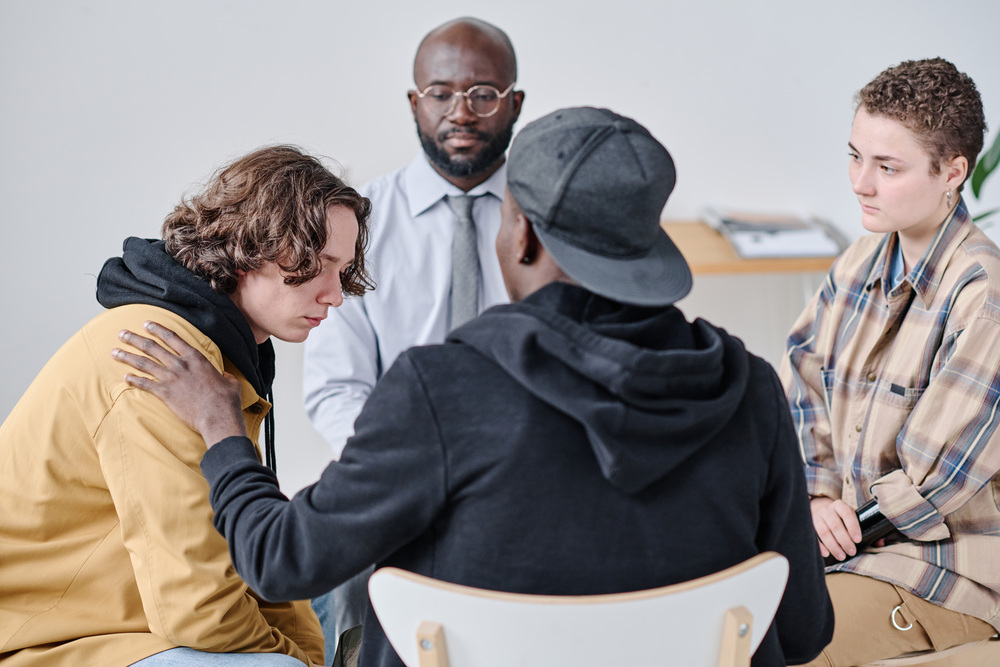
Mental health is a crucial part of overall well-being, yet it often remains overlooked or misunderstood. Many people experience mental health challenges at some point in their lives, but they may not recognise the early warning signs. Being aware of these signs can help you or your loved ones seek help sooner, leading to better recovery and improved quality of life.
What Is Mental Health Awareness?
Mental health awareness means understanding mental health conditions, recognising the signs and symptoms, and knowing when to seek support. It also involves reducing stigma and encouraging open conversations about mental health.
Common Signs of Mental Health Issues
Mental health problems can manifest in various ways, and the symptoms may differ depending on the condition and the individual. Some common signs to watch for include:
- Persistent sadness or feelings of hopelessness: When feelings of sadness, emptiness, or despair last for weeks or months without improvement.
- Loss of interest or pleasure: Losing enthusiasm for hobbies, work, or social activities that were once enjoyable.
- Changes in sleep patterns: Difficulty falling asleep, staying asleep, or sleeping excessively.
- Fatigue or low energy: Feeling constantly tired despite getting enough rest.
- Difficulty concentrating or making decisions: Struggling to focus, remember details, or think clearly.
- Social withdrawal: Avoiding friends, family, or social gatherings more than usual.
- Irritability or mood swings: Experiencing sudden or intense emotional changes.
- Physical symptoms: Unexplained aches, digestive problems, or changes in appetite and weight.
- Thoughts of self-harm or suicide: Any mention or indication of wanting to harm oneself or end life requires immediate professional help.
Why Early Recognition Is Important
The earlier mental health issues are recognised, the better the chances of effective treatment. Untreated mental health conditions can worsen over time, affecting personal relationships, work performance, and physical health. Early intervention through therapy, medication, or lifestyle changes can prevent complications and promote recovery.
How to Respond If You Recognise the Signs
If you notice these signs in yourself or someone you care about, it’s important to take them seriously. Here are some steps to consider:
- Start a conversation: Approach the person with empathy and without judgment. Let them know you’re there to listen and support them.
- Encourage professional help: Suggest seeing a mental health professional such as a therapist, counselor, or psychiatrist.
- Offer practical support: Help with making appointments, finding resources, or accompanying them to visits if they want.
- Stay connected: Regular check-ins and showing care can make a big difference in someone’s recovery journey.
- Take care of yourself: Supporting someone with mental health challenges can be demanding. Make sure you also look after your own well-being.
Reducing the Stigma Around Mental Health
One of the biggest barriers to seeking help is stigma. Raising mental health awareness helps normalise conversations and encourages people to reach out without fear or shame. Education, open dialogue, and sharing stories can create a more supportive environment for everyone.
Visit us at: https://stherb.us/product-category/products/