Phytoestrogens Explained: Should Women Be Taking Them as Supplements?
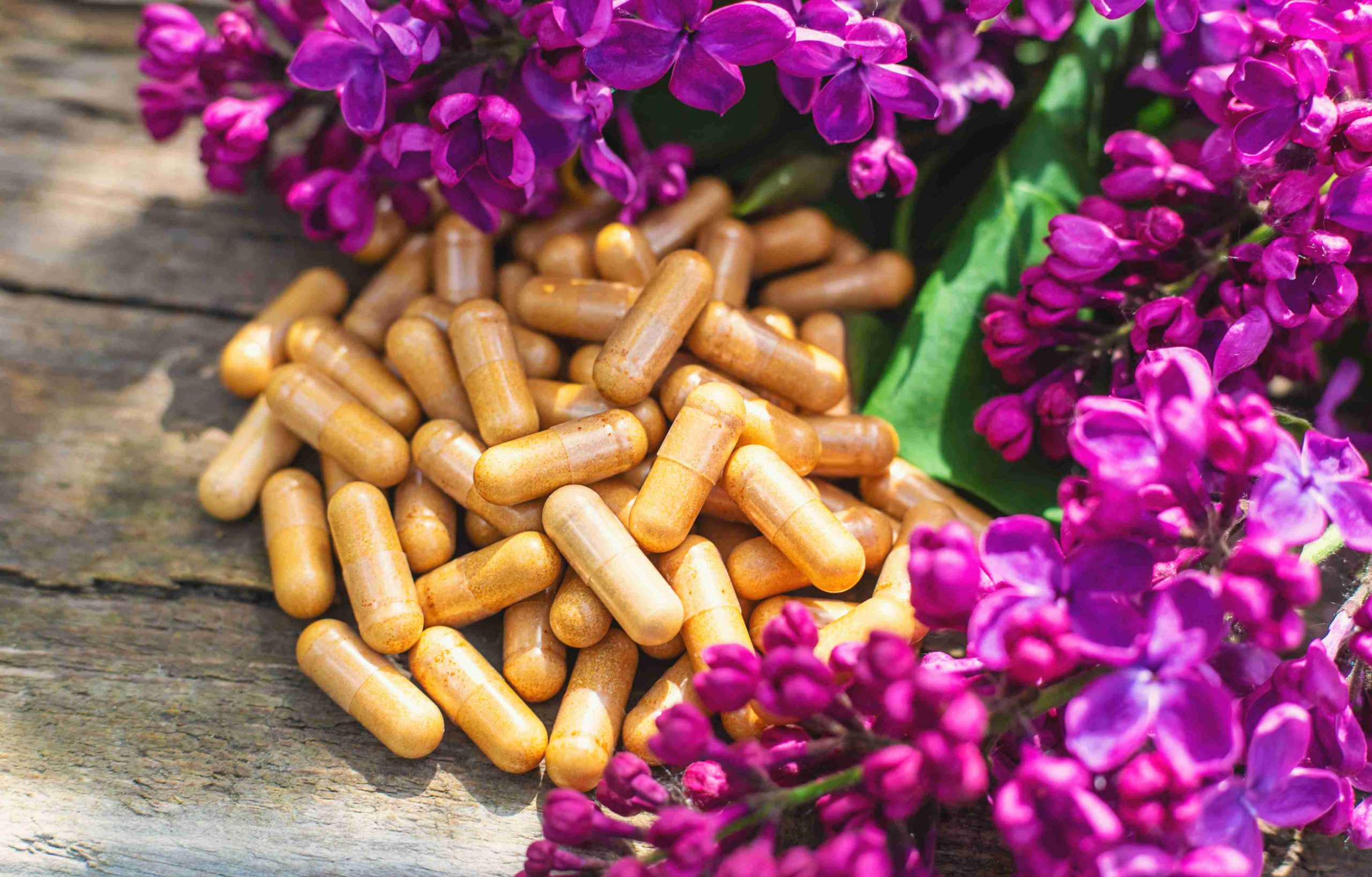
Phytoestrogen supplements have become increasingly popular as more women explore natural wellness support during hormonal transitions and healthy aging routines.
Phytoestrogens are naturally occurring plant compounds that can interact with estrogen receptors in the body. These compounds are found in several foods and herbs commonly associated with women’s wellness support.
- Soy
- Flaxseed
- Red clover
- Pueraria mirifica
What Are Phytoestrogens?
Phytoestrogens are plant compounds that structurally resemble estrogen. Although they are not identical to human hormones, they may interact with estrogen receptors inside the body.
Their activity is generally considered weaker than naturally produced estrogen or pharmaceutical hormone therapies.
Found in soybeans, legumes, and red clover.
Found in flaxseed, grains, and seeds.
Found in sprouts and certain vegetables.
How Phytoestrogens Work
Phytoestrogens may bind to estrogen receptors known as ER-alpha and ER-beta. Depending on individual hormone levels and tissue type, they may influence hormonal signaling differently.
Potential actions may include:
- Supporting hormonal balance
- Interacting with estrogen pathways
- Influencing wellness during aging
- Supporting menopausal comfort
Why Women Use Phytoestrogen Supplements
Many women explore phytoestrogen-rich supplements during perimenopause and menopause when estrogen levels naturally decline.
Common Wellness Goals
- Hot flash support
- Healthy aging support
- Skin wellness
- Mood balance support
- Hormonal comfort routines
Consumers often prefer plant-based wellness approaches that fit naturally into holistic self-care routines.
Potential Benefits of Phytoestrogens
Menopausal Wellness Support
Some women report support for hot flashes, night sweats, and mood fluctuations while using phytoestrogen-rich supplements.
Skin and Healthy Aging Support
Estrogen influences skin hydration and elasticity, which is why phytoestrogens are commonly included in beauty-focused wellness products.
Bone Wellness Support
Researchers continue studying how phytoestrogens may support bone wellness during aging.
Common Sources of Phytoestrogens
Food Sources
- Soybeans
- Tofu
- Flaxseed
- Sesame seeds
- Chickpeas
Herbal Sources
- Pueraria mirifica
- Red clover
- Dong quai
- Black cohosh
Who Should Use Caution?
Phytoestrogen supplements may not be appropriate for everyone.
Women who should consult healthcare professionals before use include:
- Individuals with hormone-sensitive conditions
- Women taking hormone medications
- Pregnant or breastfeeding women
- Individuals managing complex medical conditions
Hormonal wellness is highly individualized, which is why personalized guidance is important.
How to Choose High-Quality Supplements
Not all supplements provide the same quality or consistency.
Look for These Features
- Transparent ingredient labeling
- Third-party testing
- GMP-certified manufacturing
- Standardized extracts when applicable
Explore Herbal Wellness Products
Discover plant-based wellness supplements inspired by traditional herbal knowledge and modern wellness routines.
Explore ProductsFrequently Asked Questions
What are phytoestrogens?
Phytoestrogens are plant compounds that may interact with estrogen receptors in the body.
Are phytoestrogen supplements natural?
Yes. They are derived from foods and herbs such as soy, flaxseed, and certain botanical extracts.
Can phytoestrogens support menopause wellness?
Some women report support for menopausal wellness, although responses vary individually.
Are phytoestrogens the same as hormone replacement therapy?
No. Phytoestrogens are plant-derived compounds and are generally weaker than pharmaceutical hormone therapies.
What foods naturally contain phytoestrogens?
Soybeans, flaxseed, sesame seeds, chickpeas, and some herbs naturally contain phytoestrogen compounds.