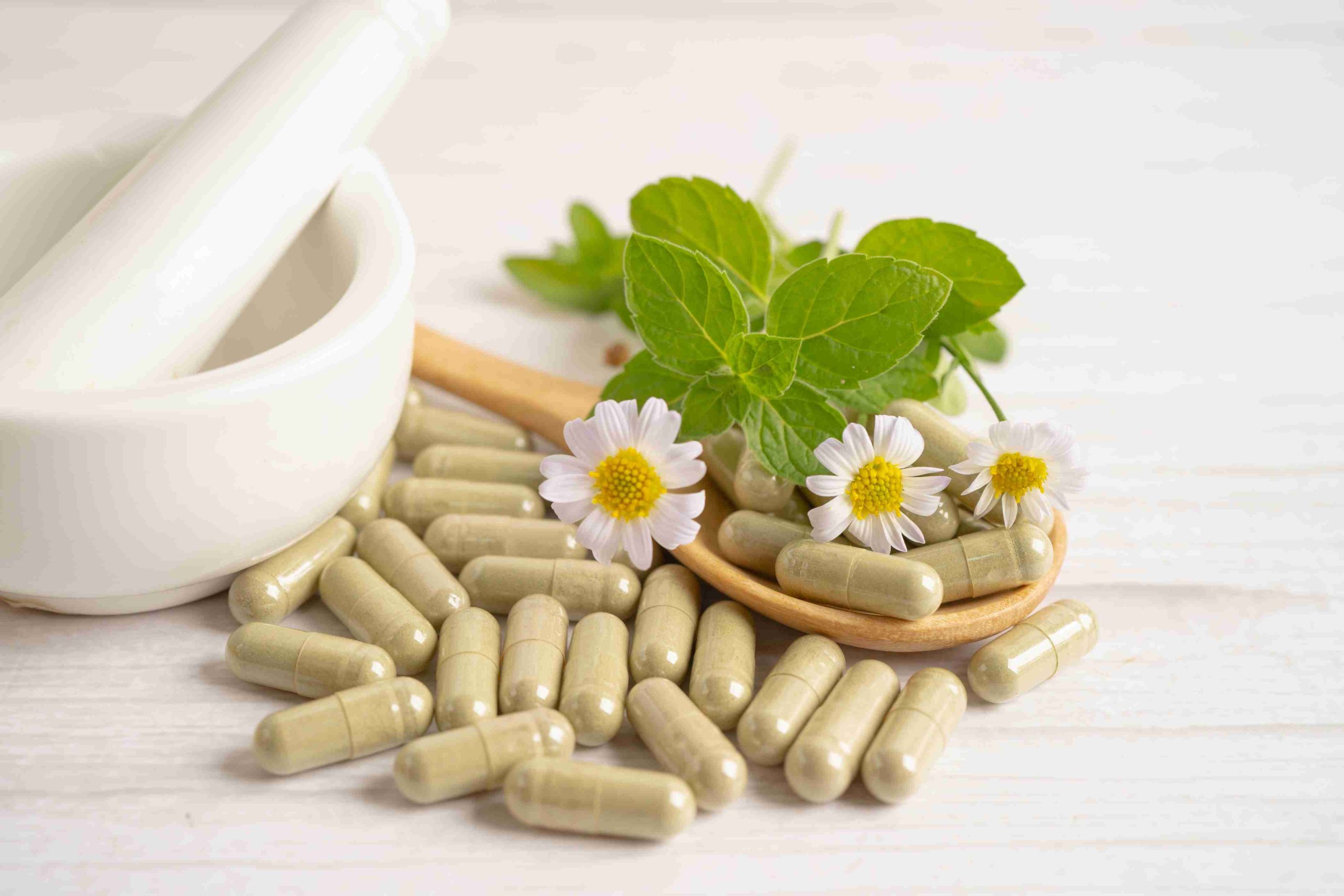
Phytoestrogens and Men: Should You Be Concerned?
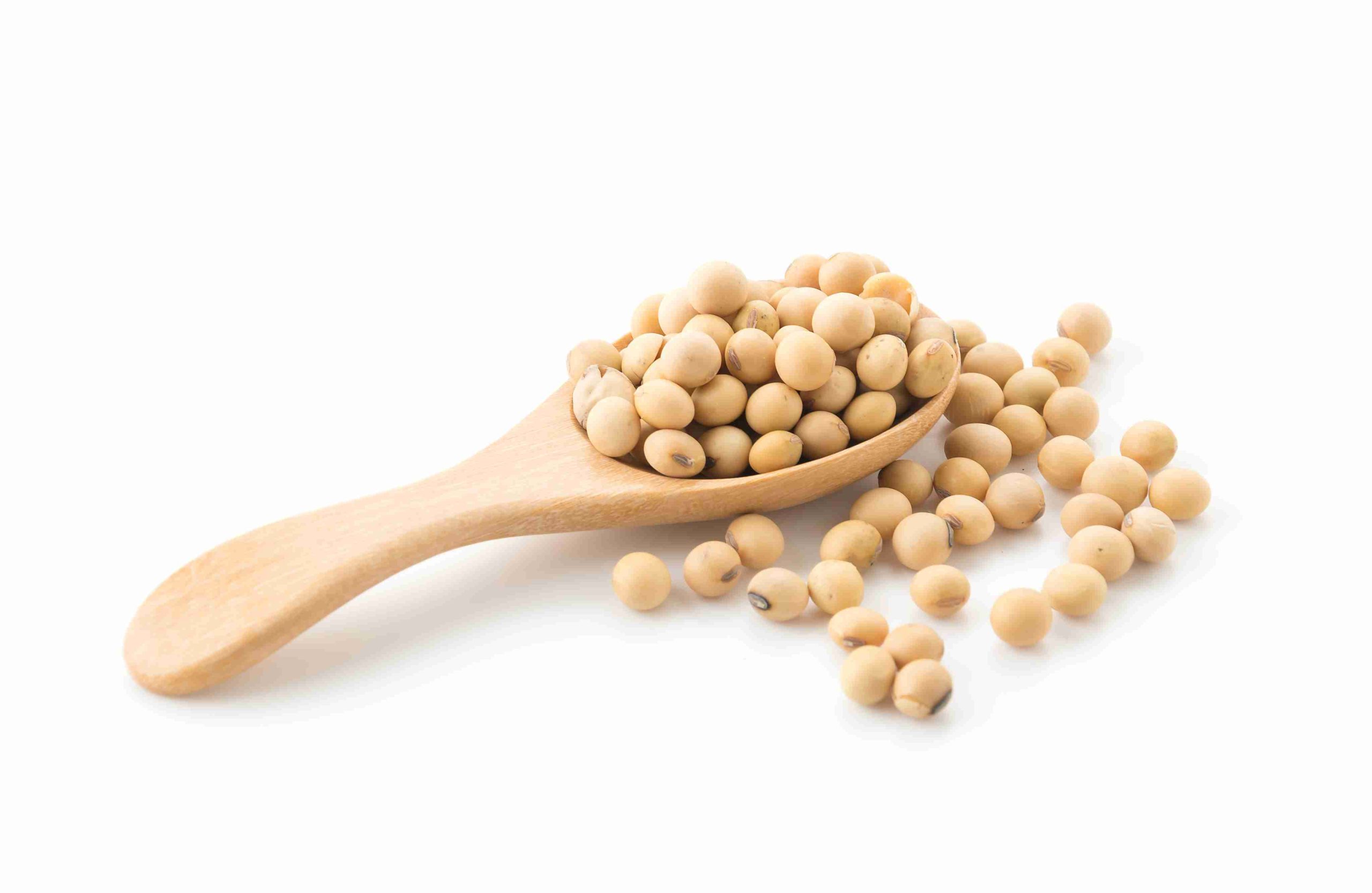
Phytoestrogens are naturally occurring plant compounds that can interact with estrogen receptors in the human body. They are found in foods such as soybeans, flaxseed, legumes, whole grains, and certain herbs. Although they share some structural similarities with estrogen, their biological activity is considerably weaker than the body’s own hormones. Because these compounds can bind to estrogen receptors, many men wonder whether consuming phytoestrogen-rich foods or herbal products could negatively affect testosterone levels, fertility, muscle growth, or overall masculinity.
Do Phytoestrogens Lower Testosterone?
One of the biggest concerns is whether phytoestrogens reduce testosterone production. Current clinical evidence generally suggests that moderate dietary intake does not significantly lower testosterone levels in healthy men.
Most studies evaluating soy foods and soy protein have found no meaningful reductions in total testosterone, free testosterone, or circulating estrogen when consumed as part of a balanced diet.
However, extremely high intake through concentrated supplements or unusually excessive consumption has not been studied as extensively, so moderation remains a sensible approach.
Can Phytoestrogens Affect Fertility?
Research on male fertility presents a more nuanced picture. Most healthy men consuming normal dietary amounts of phytoestrogens show no measurable decline in sperm quality or reproductive hormones.
Fertility depends on many factors, including:
- Age
- Overall nutrition
- Body weight
- Sleep quality
- Smoking and alcohol use
- Environmental chemical exposure
- Underlying medical conditions
Because fertility is influenced by multiple lifestyle factors, phytoestrogen intake alone is unlikely to be the determining factor for most individuals.
Not All Phytoestrogens Are Identical
Different plants contain different classes of phytoestrogens, including:
Main Types
- Isoflavones – commonly found in soy.
- Lignans – abundant in flaxseed and whole grains.
- Coumestans – found in some legumes and sprouts.
- Herbal phytoestrogens – present in selected traditional medicinal plants.
Each group interacts differently with estrogen receptors, making it inappropriate to assume all phytoestrogen-containing foods produce identical biological effects.
Should Men Avoid Phytoestrogens?
For most healthy men, eliminating phytoestrogen-containing foods is unnecessary. Foods naturally rich in phytoestrogens often provide fiber, protein, antioxidants, vitamins, and other beneficial plant compounds that support overall wellness.
A balanced diet is generally more important than focusing on one nutrient or compound in isolation.
Men who have hormone-sensitive medical conditions or are undergoing endocrine treatment should discuss dietary supplements with their healthcare provider before using concentrated botanical extracts.
Practical Recommendations
- Eat a varied, balanced diet.
- Choose whole foods instead of relying on excessive supplementation.
- Maintain a healthy body weight.
- Exercise regularly.
- Prioritize quality sleep.
- Consult a healthcare professional before taking concentrated herbal hormone-support supplements.
Explore Quality Herbal Wellness Products
St.Herb offers carefully selected botanical wellness products inspired by traditional herbal knowledge and modern quality standards. Browse the collection to discover products designed for everyday wellness.
Explore ProductsFrequently Asked Questions
Do phytoestrogens increase estrogen levels in men?
Current evidence suggests that normal dietary intake of phytoestrogens does not significantly increase estrogen levels in healthy men.
Does eating soy lower testosterone?
Most clinical studies have not found meaningful reductions in testosterone from moderate soy consumption.
Are phytoestrogen supplements different from foods?
Yes. Supplements may contain much higher concentrations than whole foods, so they should be used according to product guidance and professional advice.
Can phytoestrogens affect male fertility?
Current evidence indicates that moderate dietary intake is unlikely to negatively affect fertility in healthy men, although overall lifestyle remains an important factor.
Should men completely avoid phytoestrogen-rich foods?
For most healthy men, there is no scientific reason to eliminate phytoestrogen-rich foods from a balanced diet unless advised by a healthcare professional.
Who should seek medical advice before using herbal phytoestrogens?
Individuals with hormone-sensitive conditions, those receiving endocrine therapies, or anyone taking prescription medications should consult a healthcare professional before using concentrated herbal supplements.