Standardized Extracts Explained: Why Quality Matters
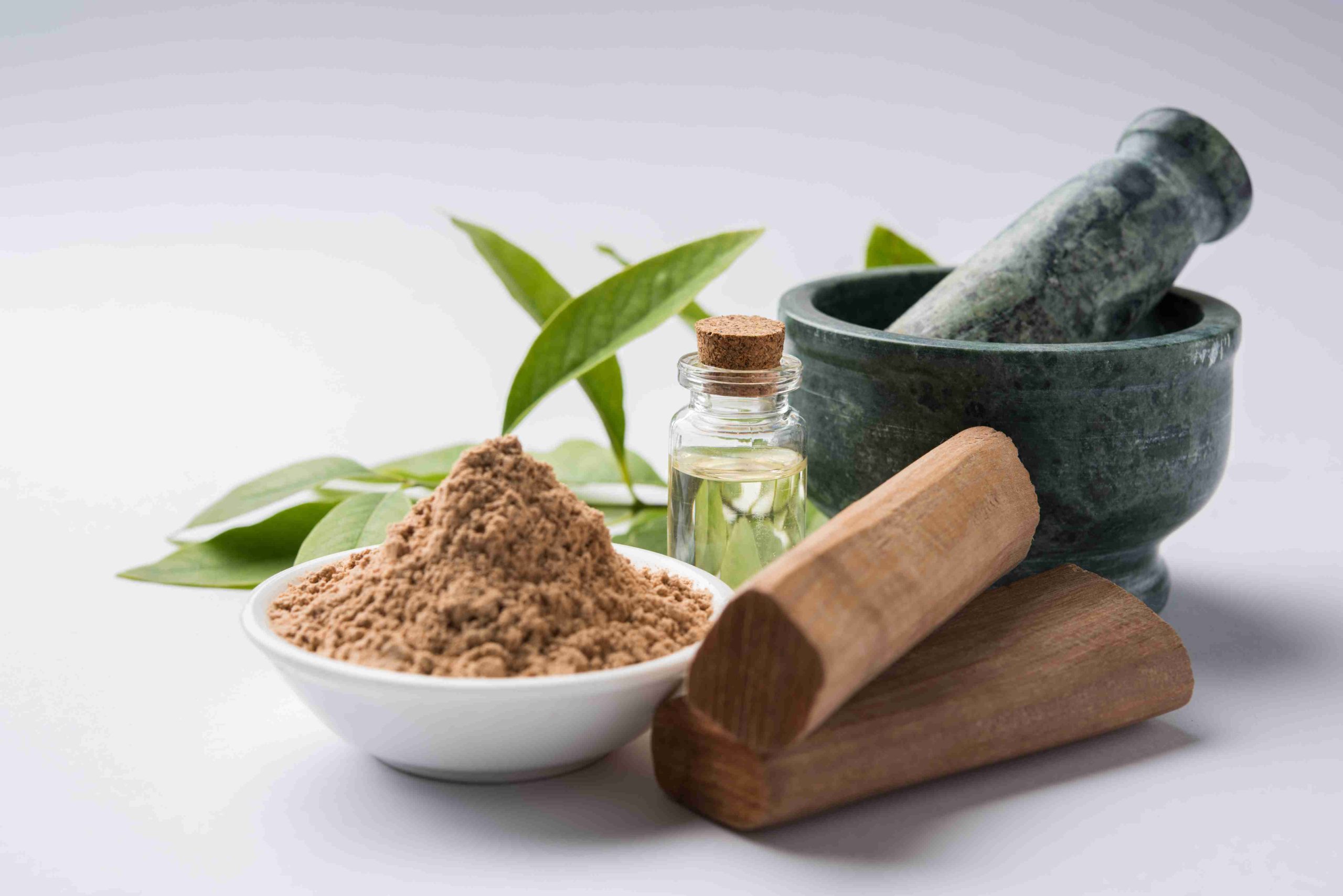
As the global supplement industry continues to grow, consumers have more choices than ever before. From capsules and powders to liquid extracts and functional wellness products, the market is filled with herbal supplements promising a wide range of benefits. However, one important factor often overlooked by consumers is supplement quality. Two products may contain the same herb on the label, yet differ significantly in potency, consistency, and manufacturing standards.
This is where standardized extracts become important. Standardization helps ensure that a botanical ingredient contains a consistent level of key compounds from batch to batch, providing greater reliability and transparency.
- Growing demand for herbal supplements
- Increasing consumer awareness of quality standards
- Greater focus on transparency and testing
- Expansion of evidence-based wellness products
- Rising interest in premium botanical ingredients
What Is a Standardized Extract?
A standardized extract is a botanical extract that has been processed to contain a specific, measured amount of one or more naturally occurring compounds.
The goal is consistency. Because plants naturally vary depending on climate, soil, harvest conditions, and growing seasons, the concentration of active compounds can differ from one batch to another.
Standardization helps manufacturers create products that deliver a predictable composition every time.
Helps maintain similar levels of key compounds between batches.
Supports manufacturing standards and product reliability.
Provides consumers with measurable information about ingredient composition.
Why Natural Variation Matters
Plants are living organisms, which means their chemical profiles naturally change.
Factors influencing herbal composition include:
- Geographic origin
- Climate conditions
- Soil quality
- Harvest timing
- Storage conditions
- Extraction methods
Without standardization, two products using the same botanical ingredient could contain significantly different levels of important plant compounds.
How Standardization Works
The process begins with identifying one or more marker compounds naturally found within a plant.
Manufacturers then test the extract and adjust production processes to achieve a targeted concentration of those compounds.
| Step | Purpose |
|---|---|
| Plant Selection | Choose quality raw materials |
| Extraction | Concentrate desired plant compounds |
| Laboratory Testing | Measure compound levels |
| Standardization | Achieve targeted consistency |
| Quality Verification | Confirm batch-to-batch reliability |
This process helps create greater uniformity across production lots.
Why Consumers Should Care About Standardized Extracts
Many consumers assume that all herbal supplements containing the same ingredient are essentially identical. In reality, product quality can vary significantly.
Reliable Composition
Consumers know what they are getting from batch to batch.
Manufacturing Quality
Standardization often reflects stronger quality control systems.
Product Transparency
Companies can provide measurable specifications.
Consumer Confidence
Consistent products help build trust over time.
For consumers seeking premium wellness products, standardization is often considered an important quality indicator.
Examples of Standardized Herbal Ingredients
Many well-known herbal supplements are available as standardized extracts.
- Eurycoma Longifolia extracts
- Pueraria Mirifica extracts
- Butea Superba extracts
- Black Ginger extracts
- Turmeric extracts
- Green tea extracts
- Ginseng extracts
In each case, manufacturers may standardize specific naturally occurring compounds to support consistency and quality assurance.
Standardized Extract vs Raw Herb Powder
| Feature | Raw Herb Powder | Standardized Extract |
|---|---|---|
| Processing | Minimal | Extracted and tested |
| Consistency | May vary | More uniform |
| Quality Verification | Limited | Typically higher |
| Compound Measurement | Often unknown | Measured and specified |
Both forms can have value depending on consumer preferences and product goals, but standardized extracts offer greater predictability.
Other Signs of a High-Quality Supplement
While standardization is important, it should not be the only factor consumers consider.
Additional indicators of quality include:
- GMP-certified manufacturing
- Ingredient traceability
- Third-party testing
- Transparent labeling
- Reputable brand practices
- Proper storage and packaging
The best supplements typically combine multiple quality assurance measures rather than relying on a single feature.
Why Standardization Is Becoming More Important in 2026
The wellness industry is becoming increasingly sophisticated. Consumers today are more educated, more informed, and more selective than ever before.
Rather than purchasing products based solely on marketing claims, many buyers now examine ingredient quality, sourcing practices, extraction methods, and scientific credibility.
This trend has encouraged manufacturers to invest in better testing procedures, advanced extraction technologies, and standardized ingredient systems.
As global demand for premium herbal supplements continues to grow, standardization is likely to remain a key quality benchmark throughout the industry.
Final Thoughts
When evaluating herbal supplements, the ingredient name alone does not tell the whole story. Two products may contain the same herb while offering very different levels of consistency and quality.
Standardized extracts help bridge the gap between traditional botanical ingredients and modern manufacturing expectations. By ensuring consistent levels of key plant compounds, standardization supports transparency, reliability, and consumer confidence.
As wellness consumers become increasingly focused on quality, understanding standardized extracts can help them make more informed choices and better evaluate the products they use as part of their long-term wellness routines.
Explore premium botanical supplements through the ST Herbs collection, featuring carefully sourced herbal ingredients, modern quality standards, and traditional botanical expertise.
Learn how quality sourcing, extraction, and manufacturing contribute to a superior wellness experience.
Choose Quality You Can Trust
Discover premium herbal supplements developed with attention to sourcing, standardization, and manufacturing excellence.
Explore ProductsFrequently Asked Questions
What is a standardized extract?
A standardized extract contains a measured and consistent amount of specific naturally occurring compounds found within a plant.
Why are standardized extracts important?
They help ensure batch-to-batch consistency, quality control, and transparency for consumers.
Are standardized extracts better than raw herb powders?
They offer greater consistency and measurable compound levels, although both forms may serve different consumer preferences.
What herbs are commonly standardized?
Examples include Eurycoma Longifolia, Pueraria Mirifica, Butea Superba, Black Ginger, turmeric, green tea, and ginseng extracts.
Does standardization guarantee quality?
No. Standardization is important, but consumers should also consider manufacturing practices, testing, sourcing, and brand transparency.
Why are consumers paying more attention to supplement quality?
Consumers are increasingly informed about ingredient sourcing, testing, and product consistency, leading to greater demand for high-quality supplements.